

Every parent faces those days when the morning outfit routine feels like a creative challenge. Kids graphic clothing has become more than just something children wear, now it’s a way for young personalities to shine through vibrant colors, playful prints, and bold cartoons. As American families look for stylish graphic apparel that balances comfort and individuality, understanding age-appropriate designs and the latest trends helps you make choices your child will love to wear every day and for special occasions.
Table of Contents
- What Defines Kids Graphic Clothing Today
- Popular Types And Age-Appropriate Styles
- Materials, Printing Methods, And Key Features
- Legal Safety Standards For Graphic Apparel
- Common Mistakes And Compliance Issues
- 2026 Trends Transforming Kids’ Graphic Fashion
Key Takeaways
| Point | Details |
|---|---|
| Modern Kids Graphic Clothing | Serves as a canvas for creativity and self-expression, prioritizing comfort and style. |
| Age-Appropriate Designs | Styles vary significantly, catering to different age groups with comfort and individuality in mind. |
| Material & Printing Innovations | Eco-friendly fabrics and advanced printing methods enhance durability and aesthetic appeal. |
| Safety Compliance | Strict adherence to safety standards is essential to ensure children’s graphic clothing is safe and reliable. |
What Defines Kids Graphic Clothing Today
Kids graphic clothing has transformed from simple attire into a vibrant mode of self-expression for young personalities. Modern children’s graphic apparel represents far more than just functional wear - it’s a canvas for creativity, comfort, and individual style. Fun and age-appropriate designs now dominate the landscape of children’s fashion.
Today’s kids graphic clothing is characterized by several distinctive elements that set it apart from traditional children’s wear:
- Playful cartoon characters and pop culture references
- Bright, engaging color palettes
- Interactive and humorous graphic prints
- Soft, breathable materials designed for active movement
- Themes that reflect children’s interests and imagination
The core philosophy behind modern kids graphic clothing emphasizes both visual appeal and practical functionality. Designers now prioritize child-friendly comfort alongside trendy aesthetics, ensuring that each piece supports children’s dynamic lifestyles. Soft, breathable materials remain crucial, allowing unrestricted play and movement while maintaining stylish designs.
Graphic clothing for children has become a sophisticated medium of personal storytelling. Each shirt, hoodie, or tank top represents more than fabric - it’s a statement of a child’s emerging personality, interests, and sense of humor. From superhero motifs to clever wordplay, these garments invite kids to showcase their unique identities.
Pro tip: When selecting graphic clothing for children, prioritize designs that spark joy and allow for comfortable, unrestricted movement.
Popular Types and Age-Appropriate Styles
Children’s graphic clothing has evolved into a dynamic landscape of style, functionality, and personal expression. Age-appropriate clothing styles now encompass a wide range of designs that cater to different developmental stages and individual preferences.
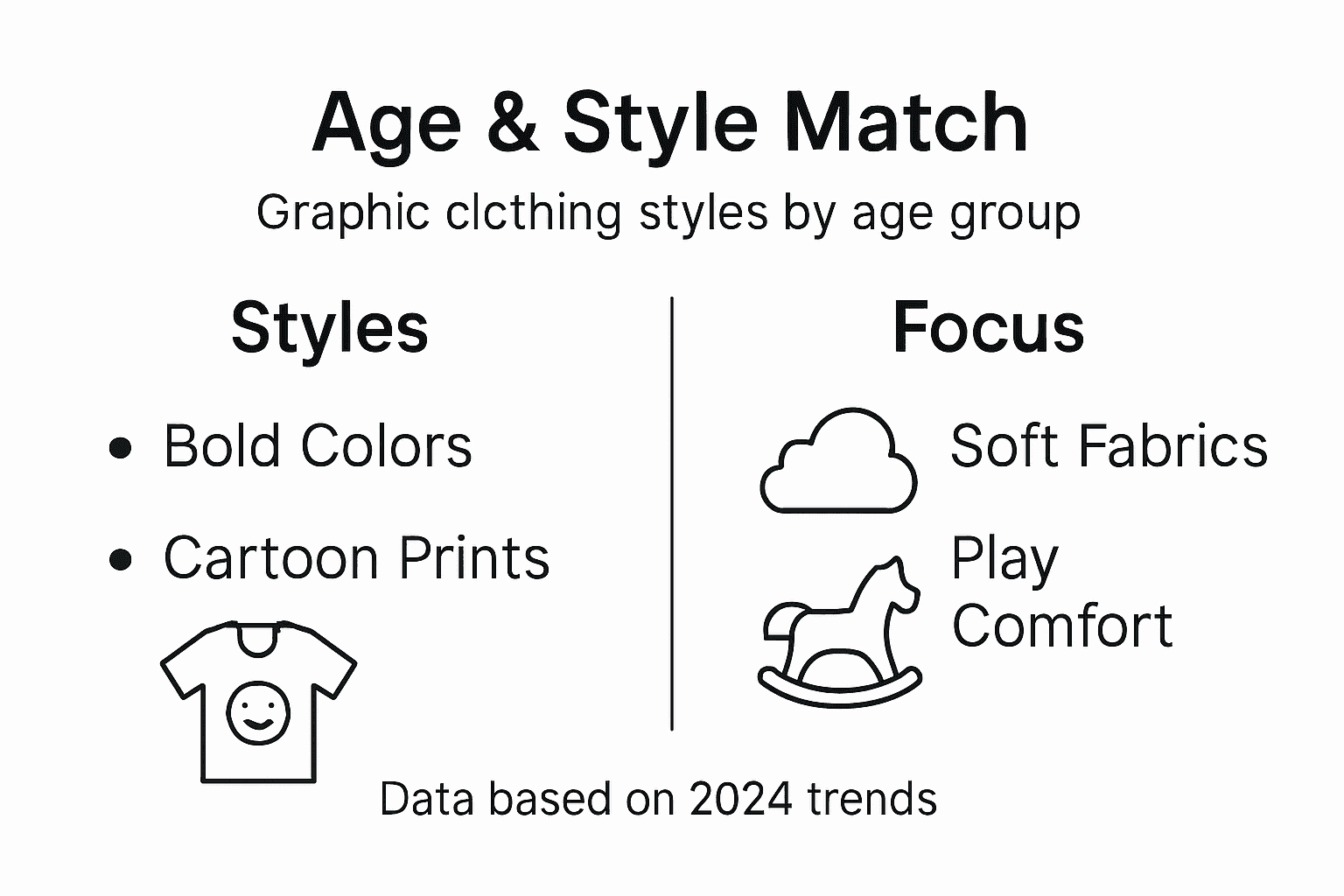
For younger children (ages 2-6), graphic clothing typically features the following characteristics:
- Soft, stretchy materials for easy movement
- Oversized cartoon character prints
- Bright, vibrant color palettes
- Simple, playful graphics that capture imagination
- Comfortable elastic waistbands and relaxed fits
Older children and pre-teens (ages 7-12) gravitate towards more sophisticated graphic styles that reflect emerging personal identities. Graphic design trends for this age group often include:
- Pop culture references
- Witty or humorous text-based designs
- More subtle and nuanced graphic illustrations
- Gender-neutral themes
- Designs that signal emerging interests and personality
Sustainable fashion trends are reshaping kids’ graphic clothing, with designers increasingly focusing on multipurpose, environmentally conscious materials. This shift means parents can now select graphic clothing that is not just stylish, but also responsible and adaptable.
Here’s a summary of age-appropriate graphic clothing features for different child development stages:
| Age Group | Visual Style | Functional Focus | Typical Design Motifs |
|---|---|---|---|
| Ages 2-6 | Bold, playful, oversized | Easy movement, comfort | Cartoon characters, simple art |
| Ages 7-12 | Subtle, trendy, text-based | Durability, personal identity | Pop culture, witty graphics |
| Pre-Teens 13+ | Minimalist, expressive | Multi-use, style flexibility | Abstract, statement prints |
Pro tip: Select graphic clothing that allows children to express themselves while maintaining comfort and age-appropriate design sensibilities.
Materials, Printing Methods, and Key Features
Kids graphic clothing represents a sophisticated intersection of textile technology and creative design. Direct-to-garment printing techniques have revolutionized how graphics are applied to children’s apparel, offering unprecedented quality and durability.
The most common materials used in kids graphic clothing include:
- 100% cotton for breathability
- Cotton-polyester blends for durability
- Organic cotton for eco-conscious families
- Moisture-wicking synthetic fabrics
- Stretch jersey materials for comfort
Printing methods for graphic clothing vary significantly in their approach and results. Textile printing techniques represent a diverse range of artistic and technical approaches:
- Screen printing: Traditional method with excellent color saturation
- Digital printing: Allows complex, multicolor designs
- Direct-to-garment (DTG): Provides high-resolution, detailed graphics
- Heat transfer: Enables intricate, photorealistic images
- Embroidered graphics: Adds textural dimension to clothing
Key features that define high-quality kids graphic clothing go beyond just visual appeal. Textile performance matters immensely, with parents seeking garments that can withstand active play, multiple wash cycles, and constant movement. This means prioritizing reinforced seams, color-fast printing techniques, and materials that maintain shape and vibrancy.
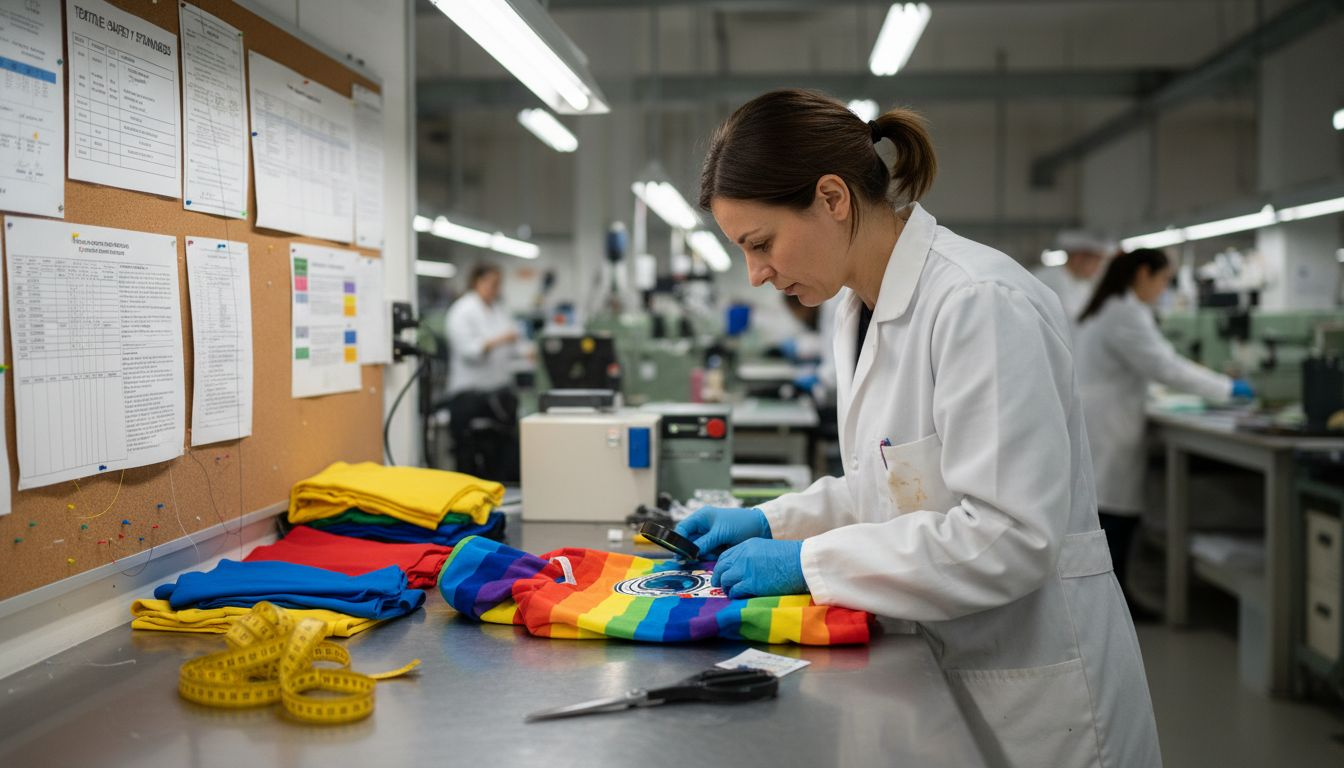
This table compares popular textile printing methods for kids’ graphic clothing:
| Printing Method | Visual Quality | Durability | Unique Benefit |
|---|---|---|---|
| Screen Printing | Bold, vibrant colors | Withstands frequent use | Cost-effective for large runs |
| Digital Printing | Detailed, multicolor | Good for complex designs | Perfect for small batches |
| Direct-to-Garment | High-resolution images | Moderate, good for cotton | Prints intricate graphics fast |
| Heat Transfer | Photorealistic effects | Suitable for novelty items | Applies images to many fabrics |
Pro tip: Always check fabric composition and printing method to ensure longevity and comfort in children’s graphic clothing.
Legal Safety Standards for Graphic Apparel
Navigating the complex world of children’s clothing safety requires understanding rigorous legal standards that protect young consumers. Children’s product certification represents a critical framework ensuring graphic apparel meets stringent safety requirements.
Key safety standards for kids graphic clothing include:
- Flammability resistance testing
- Lead content restrictions
- Choking hazard prevention
- Toxic chemical limitations
- Durability and construction requirements
Drawstring regulations represent a particularly critical safety consideration. Drawstring safety standards impose strict guidelines to prevent potential strangulation risks:
- Neck area drawstrings are prohibited
- Waist drawstrings must meet specific length requirements
- Attachment points must be securely fastened
- Maximum allowable string length strictly controlled
- Regular safety inspections mandated
Textile safety compliance goes beyond mere aesthetic considerations. Manufacturers must conduct comprehensive third-party testing, ensuring every graphic garment meets federal safety regulations. This process involves meticulous examination of materials, printing techniques, and potential mechanical risks that could compromise child safety.
Pro tip: Always check for current safety certifications and manufacturing standards when purchasing graphic clothing for children.
Common Mistakes and Compliance Issues
Manufacturers of children’s graphic clothing frequently encounter complex compliance challenges that can lead to significant legal and safety risks. Third-party testing requirements represent a critical area where many brands inadvertently make costly mistakes.
Common compliance mistakes in graphic apparel production include:
- Insufficient documentation of safety testing
- Overlooking chemical content limits
- Inadequate flammability testing
- Neglecting material sourcing regulations
- Incomplete record-keeping for product batches
Drawstring regulations present particularly nuanced compliance challenges. Drawstring safety violations can result in immediate product recalls and substantial financial penalties:
- Neck area drawstrings remain strictly prohibited
- Waist drawstrings must have precise length measurements
- Attachment points require rigorous security standards
- Periodic safety audits are mandatory
- Documentation of compliance must be meticulously maintained
Regulatory compliance demands constant vigilance from manufacturers. Small oversights in design, material selection, or testing protocols can transform a seemingly innocent graphic clothing item into a potential safety hazard. The financial and reputational risks of non-compliance far outweigh the cost of thorough safety protocols.
Pro tip: Implement a comprehensive compliance checklist and conduct regular internal safety audits to prevent potential regulatory violations.
2026 Trends Transforming Kids’ Graphic Fashion
The landscape of children’s graphic clothing is undergoing a radical transformation, driven by technological innovation and evolving social perspectives. Sustainable fashion trends are reshaping how designers approach graphic apparel for younger generations.
Key trends emerging in 2026 include:
- Eco-friendly and recycled fabric materials
- Gender-neutral design aesthetics
- Tech-integrated interactive graphic elements
- Personalization and on-demand customization
- Comfort-driven multipurpose clothing pieces
Social media continues to dramatically influence children’s fashion dynamics. Micro trend acceleration means graphic clothing styles are evolving faster than ever, with design cycles becoming increasingly rapid and responsive to digital cultural shifts.
Digital native aesthetics are becoming paramount, with graphic clothing serving as a canvas for self-expression that seamlessly blends technology, sustainability, and personal identity. Brands are now focusing on creating adaptable, meaningful designs that resonate with both children and environmentally conscious parents.
Pro tip: Invest in versatile graphic clothing pieces that can be styled multiple ways and adapt to changing trends.
Discover Safe and Stylish Kids Graphic Clothing Today
Finding graphic clothing that combines style, safety, and comfort can be a challenge for parents who want their children to express unique personalities without compromising on quality or legal standards. At 3 Wizard Clothing, we understand the importance of age-appropriate designs crafted from breathable, durable materials with safe printing methods that endure active play.
Explore our curated Kids collection filled with playful and trendy graphic apparel that meets the highest safety requirements including drawstring regulations and chemical restrictions. Shop now at 3 Wizard Clothing to equip your child with expressive clothing that supports their imagination while giving you peace of mind. Don’t wait because your child’s style and safety deserve the best today.
Frequently Asked Questions
What are the key features of modern kids graphic clothing?
Modern kids graphic clothing features playful designs, bright colors, interactive prints, and soft materials for comfort, reflecting children’s dynamic lifestyles and interests.
What printing methods are commonly used for kids graphic clothing?
Common printing methods include screen printing for vibrant colors, digital printing for intricate designs, direct-to-garment printing for high-resolution images, heat transfer for photorealistic effects, and embroidery for added texture.
What are the safety standards for kids graphic clothing?
Kids graphic clothing must adhere to safety standards that include flammability resistance testing, lead content restrictions, choking hazard prevention, toxic chemical limitations, and durable construction requirements.
What trends can we expect to see in kids’ graphic fashion by 2026?
By 2026, expect trends such as eco-friendly materials, gender-neutral designs, tech-integrated elements, personalized clothing options, and multipurpose garments that prioritize comfort and sustainability.
Recommended
- 7 Types of Graphic Apparel Every Trendy Shopper Should Know – 3 Wizard Clothing
- Why Shop Fall Graphic Tees: Style and Seasonal Expression – 3 Wizard Clothing
- How to Select Funny T-Shirts for Maximum Impact Easily – 3 Wizard Clothing
- Bad Monkey – Cool Ape Attitude Design – 3 Wizard Clothing
- What Is Graphic Streetwear and Why It Matters – IGZ Clothing
- Are Organic Cotton T-Shirts Worth It? – MEXESS


