

TL;DR:
- Choosing safe, well-fitting, and weather-appropriate costumes ensures fun and prevents accidents.
- Group themes should be flexible, with voting and personal touches to boost buy-in and creativity.
- DIY and thrift options are budget-friendly and eco-conscious, but require time and early planning.
Getting Halloween apparel right for your whole crew is harder than it looks. You’re juggling trends, group themes, comfort, safety, and everyone’s personal taste, all at once. Pick something too generic and the group looks like they raided the clearance bin. Go too wild and someone ends up cold, uncomfortable, or tripping over their own outfit before the night even starts. This guide walks you through every key decision, from safety labels to group voting systems, so you can show up looking sharp, staying safe, and actually having fun.
Table of Contents
- What to consider before you buy: Key criteria for Halloween apparel
- Pick your theme: Balancing group trends and individual style
- DIY, thrift, or buy? Pros, cons, and how to get the best result
- Step-by-step: How to choose and personalize the perfect Halloween look
- Perspective: Why originality and safety win — what most miss when choosing Halloween apparel
- Shop unique and stylish Halloween apparel with 3 Wizard Clothing
- Frequently asked questions
Key Takeaways
| Point | Details |
|---|---|
| Prioritize safety | Always check fabric labels, reflective features, and makeup safety before finalizing Halloween looks. |
| Balance group and personal style | Pick themes that allow everyone’s personality to shine while keeping your group cohesive. |
| DIY saves money | Making apparel at home can cost nearly half of retail and offers maximum creativity. |
| Plan and personalize | Start early to avoid stress—customize your apparel with humor, comfort, and trending themes. |
What to consider before you buy: Key criteria for Halloween apparel
Now that you understand why Halloween apparel choices matter, let’s dig into what influences your buying decision and why it impacts both fun and safety.
Trends shift fast. Halloween fashion trends in 2026 are leaning heavily into pop culture, humor, and nostalgic group looks. What was hot two years ago might already feel stale. Checking what’s trending before you buy saves you from a costume that gets zero reactions at the party.
Safety is non-negotiable, especially for families with younger kids. The costume safety guidelines from the American Academy of Pediatrics are clear: ensure proper fit to prevent tripping, use non-toxic makeup instead of full masks, look for flame-resistant labels, add reflective elements for nighttime visibility, and skip sharp props entirely.
Safety rule to live by: A costume that fits well, glows in the dark, and uses safe materials is always worth more than one that looks perfect but puts someone at risk.
Weather and fit matter more than most people plan for. A look that works indoors at a party might be freezing on a trick-or-treat route. Layers are your best friend. Sizing for movement is critical, especially for kids who need to run, crouch, or climb stairs safely.
Material choice affects comfort and health. Scratchy synthetic fabrics are a fast way to ruin a night. If anyone in your group has sensitive skin, hypoallergenic materials make a real difference. Check Halloween shirt safety details before ordering online, especially for kids’ items.
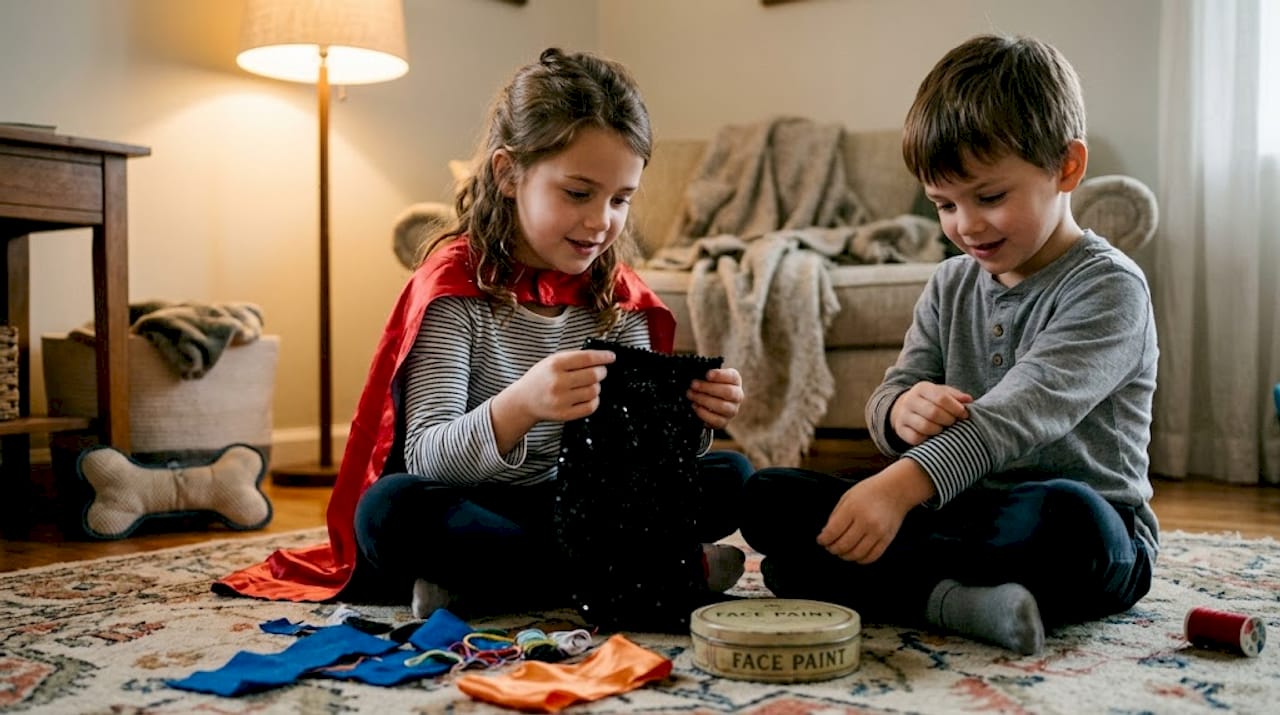
Key buying criteria at a glance:
| Factor | What to check |
|---|---|
| Safety | Flame-resistant label, reflective strips |
| Fit | Room to move, no trip hazards |
| Material | Soft, hypoallergenic fabrics |
| Trend relevance | Pop culture, humor, group themes |
| Weather | Layering options, warmth |
- Look for the flame-resistant label on every piece
- Test face makeup on a small skin patch 24 hours before the event
- Choose shoes that fit the full costume, not just the outfit
- Avoid masks that block vision or breathing
Pro Tip: Buy makeup from reputable brands and do a patch test at least a day before Halloween. Reactions on the night of are no fun for anyone.
Pick your theme: Balancing group trends and individual style
With your priorities clear, it’s time to tackle one of the biggest joys and challenges: getting everyone on board with a theme that fits your vibe.
Group Halloween themes work best when they’re flexible enough to let people add their own spin. Coordinated costume themes that pull from pop culture, movies, TV shows, or food concepts tend to get the most buy-in because they’re recognizable and easy to adapt. Think a family of characters from a beloved animated movie, or a friend group dressed as different fast food items.
The problem with group themes is that not everyone has the same enthusiasm. Teens especially hate feeling forced into a look they didn’t choose. The fix is simple: use a voting system. Shortlist three to five themes, let everyone vote, and go with the top pick. It takes five minutes and saves hours of arguing.
How to shortlist and vote in four steps:
- Each person suggests one or two theme ideas
- Narrow the list to three to five options everyone can work with
- Vote anonymously (a group chat poll works great)
- Let each person add one personal twist to the winning theme
For group costume ideas that actually work, the sweet spot is a theme broad enough for individual creativity but specific enough to look cohesive in photos.
DIY vs. store-bought themes: A quick comparison
| Factor | DIY | Store-bought |
|---|---|---|
| Uniqueness | High | Medium to low |
| Cost | Lower | Higher |
| Stress level | Medium to high | Low |
| Customization | Full control | Limited |
| Time needed | High | Low |
Top 2026 theme trends worth considering include food puns (avocado toast, ramen bowls), classic horror with a modern twist, retro video game characters, and multi-generational movie groups where grandparents and toddlers can both fit in naturally.
Pro Tip: Let the most style-conscious person in your group customize their version of the theme. When they feel ownership over the look, they become your biggest cheerleader instead of your biggest critic.
DIY, thrift, or buy? Pros, cons, and how to get the best result
Once you’ve set your group’s theme, the next step is deciding how you’ll get or create your apparel, and myths about DIY versus buy can make this trickier than it seems.
The numbers tell an interesting story. DIY averages around $40 compared to $75 for store-bought costumes, and thrift and DIY options are rising 18 to 22 percent year over year as families look for budget-friendly and more original options. That’s not a small gap.
But DIY takes time, and time is the hidden cost most people forget. A great DIY look can take eight to twelve hours across multiple days. If you’re short on time, that math doesn’t work in your favor.
Thrifting is the middle ground that more people are discovering. You get uniqueness and sustainability without building from scratch. The catch is that thrift stores near Halloween get picked clean fast, so you need to start early, ideally six to eight weeks out.
DIY time-savers that actually work:
- Upcycle clothes you already own instead of starting from scratch
- Use iron-on patches or fabric paint for fast customization
- Combine one thrifted piece with one new graphic tee
- Stick to simple silhouettes that don’t need sewing
- Accessories do heavy lifting: hats, wigs, and props transform basics
For a deeper look at whether Halloween tees vs. costumes make more sense for your group, the answer often comes down to how much flexibility you want after October 31st. A great Halloween tee gets worn again. A full costume usually doesn’t.
DIY vs. thrift vs. store-bought at a glance:
| Factor | DIY | Thrift | Store-bought |
|---|---|---|---|
| Uniqueness | Very high | High | Low |
| Eco-friendly | High | Very high | Low |
| Time needed | High | Medium | Low |
| Average cost | $40 | $15 to $35 | $75 |
| Social media appeal | High | High | Medium |
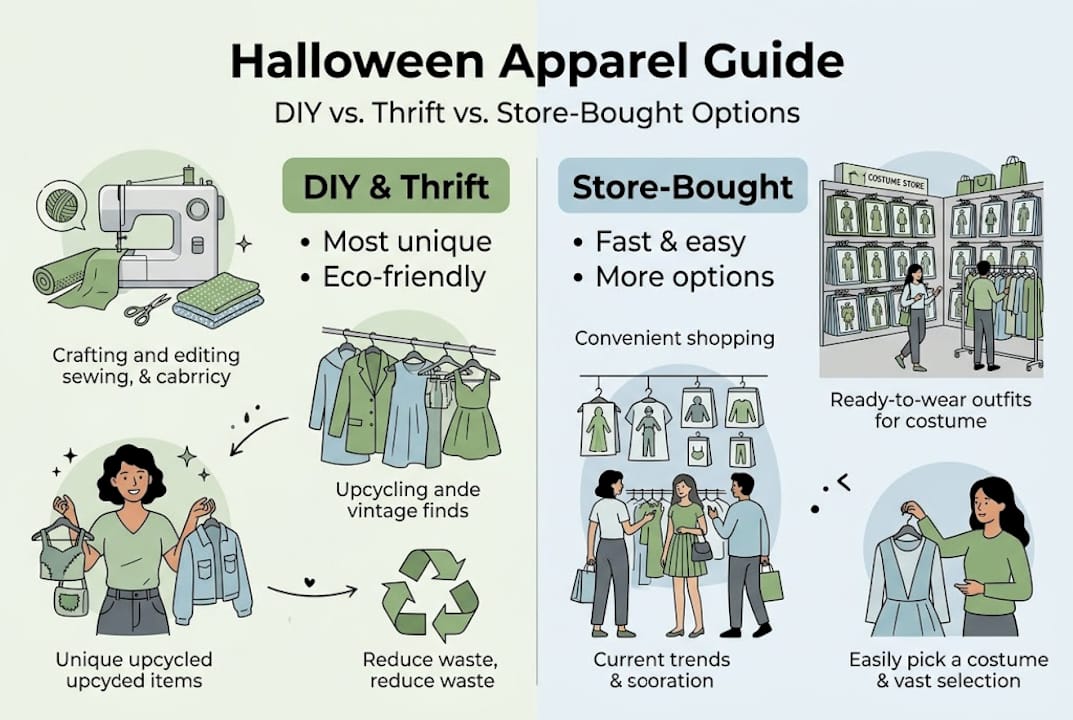
Check out T-shirt trend tips if you want a modern, low-effort option that still looks intentional and on-trend without the full DIY commitment.
Step-by-step: How to choose and personalize the perfect Halloween look
Whether you’re starting with a blank slate or a great theme, follow these steps to pull off a look that gets compliments, not eye rolls.
Latest costume trends for 2026 include Stitch, Minecraft, Super Mario, Wicked-inspired witches, Star Wars group looks, foodie costumes, and clever puns. The best looks combine a trending reference with a personal touch that makes it yours.
Your step-by-step process:
- Lock in your theme based on group vote or personal preference
- Set a budget per person before you shop or start crafting
- Check sizing carefully, especially for kids, using brand-specific size charts
- Prioritize comfort: test movement, check for scratchy seams, confirm warmth
- Add accessories that reinforce the theme without creating safety hazards
- Personalize it: a funny phrase, a pun, or an unexpected color swap makes it memorable
- Do a final safety check the night before the event
For families with kids, picking shirts for kids online requires extra attention to sizing and material details. Kids’ bodies move constantly, and a tight collar or stiff fabric will turn a great night into a meltdown.
Pre-event safety check: Before leaving the house, confirm every outfit has proper fit with no trip hazards, check for flame-resistant labels on all pieces, and make sure anyone going outside after dark has at least one reflective element visible.
For teens who want an edgier take on the group theme, give them one element they can fully control. That autonomy usually results in the most creative piece of the whole group look. Weather is the wildcard: always have a plan for layering, especially if your area gets cold in late October. A Halloween hoodie guide can help you find options that keep the theme intact while adding real warmth.
Pro Tip: Add a pun to your look with a simple graphic tee or a handwritten tag. Humor is the fastest way to break the ice at any Halloween event and makes your costume instantly shareable.
Perspective: Why originality and safety win — what most miss when choosing Halloween apparel
After you’ve chosen, sourced, and finished your group’s Halloween apparel, take a moment to consider what really matters most.
Social media has made Halloween apparel feel like a performance. People chase the most viral look, buy it in a panic, and end up with something that fits poorly, feels uncomfortable, and gets forgotten by November 1st. The groups that actually enjoy Halloween the most are the ones who prioritized what worked for them, not what looked best in a thumbnail.
Unique thrift tips and a theme shortlist with voting consistently produce more satisfying results than impulse-buying a trending look. Why? Because buy-in matters. When everyone had a say, everyone shows up with energy.
The other thing most people miss is that safety and comfort are not boring trade-offs. They are what let you stay out longer, move freely, and actually enjoy the night. A look that’s safe, comfortable, and humor and comfort in spooky apparel will always outlast the one that looks incredible but requires you to stand still all night.
Block out the FOMO. Your group’s perfect Halloween look is the one everyone remembers fondly, not the one that went viral for five minutes.
Shop unique and stylish Halloween apparel with 3 Wizard Clothing
Ready to put these tips into action? Level up your group’s look with picks that cover both laughs and comfort.
At 3 Wizard Clothing, you’ll find Halloween and fall apparel built for real people who want to look great without the stress. The Pumpkin Season T-shirt is a crowd favorite for families and young adults who want seasonal style that’s wearable beyond just one night. For a versatile everyday option with personality, the Sneaker Tee fits right into any casual group look. From kids to adults, the collections cover humor, comfort, and originality so your whole crew can show up looking coordinated and confident.
Frequently asked questions
What safety features should I look for in Halloween apparel?
Look for flame-resistant labels, reflective elements for nighttime visibility, non-toxic makeup options, and avoid any sharp props or accessories that could cause injury.
How can we choose a Halloween theme everyone likes?
Shortlist three to five coordinated family themes from pop culture, movies, or food concepts, then use a quick group vote to pick the one with the most enthusiasm and flexibility.
Is DIY Halloween apparel really more affordable?
DIY averages $40 compared to roughly $75 for store-bought costumes, giving you both cost savings and more room for creative personalization.
What are the biggest trends in Halloween apparel for 2026?
Top 2026 Halloween trends include Stitch, Minecraft, Super Mario, Wicked-inspired witches, foodie costumes, and coordinated group looks built around beloved movies and TV shows.
Recommended
- How to Pick Halloween Shirts for Trendy Kids Online – 3 Wizard Clothing
- Creative Halloween Clothing Ideas for Trendy Adults & Families – 3 Wizard Clothing
- Why 78% Prefer Halloween Tees Over Costumes in 2025 – 3 Wizard Clothing
- Why Shop Halloween Shirts for Family Fun – 3 Wizard Clothing
- Glow in the Dark: Dracoslides Halloween Special!


