

Finding the perfect Halloween tee is not just about grabbing the funniest print at the store. Young adults everywhere want clothing that shows off personality and starts conversations, especially during vibrant seasons like Halloween. Graphic apparel acts as a canvas for individual expression and deeper cultural meaning, making each design far more than a simple trend. Discover how bold graphics, unique techniques, and hidden symbolism shape what you wear and the stories you tell.
Table of Contents
- Defining Graphic Apparel And Common Myths
- Types Of Graphic Apparel And Distinctions
- How Graphic Designs Are Created For Clothing
- Legal Protections And Compliance Requirements
- Risks, Pitfalls, And Best Practices For Brands
Key Takeaways
| Point | Details |
|---|---|
| Graphic Apparel as Expression | Graphic apparel serves as a medium for personal identity and cultural communication, reflecting deeper meanings beyond mere aesthetics. |
| Types and Uses | Different types of graphic apparel, such as t-shirts and hoodies, have unique benefits and applications suitable for various seasons and purposes. |
| Design Process Importance | Understanding the design process, including conceptualization and technical preparation, is crucial for creating impactful graphic apparel. |
| Risk Management Strategies | Brands must develop robust risk management strategies to address supply chain, compliance, and sustainability challenges effectively. |
Defining graphic apparel and common myths
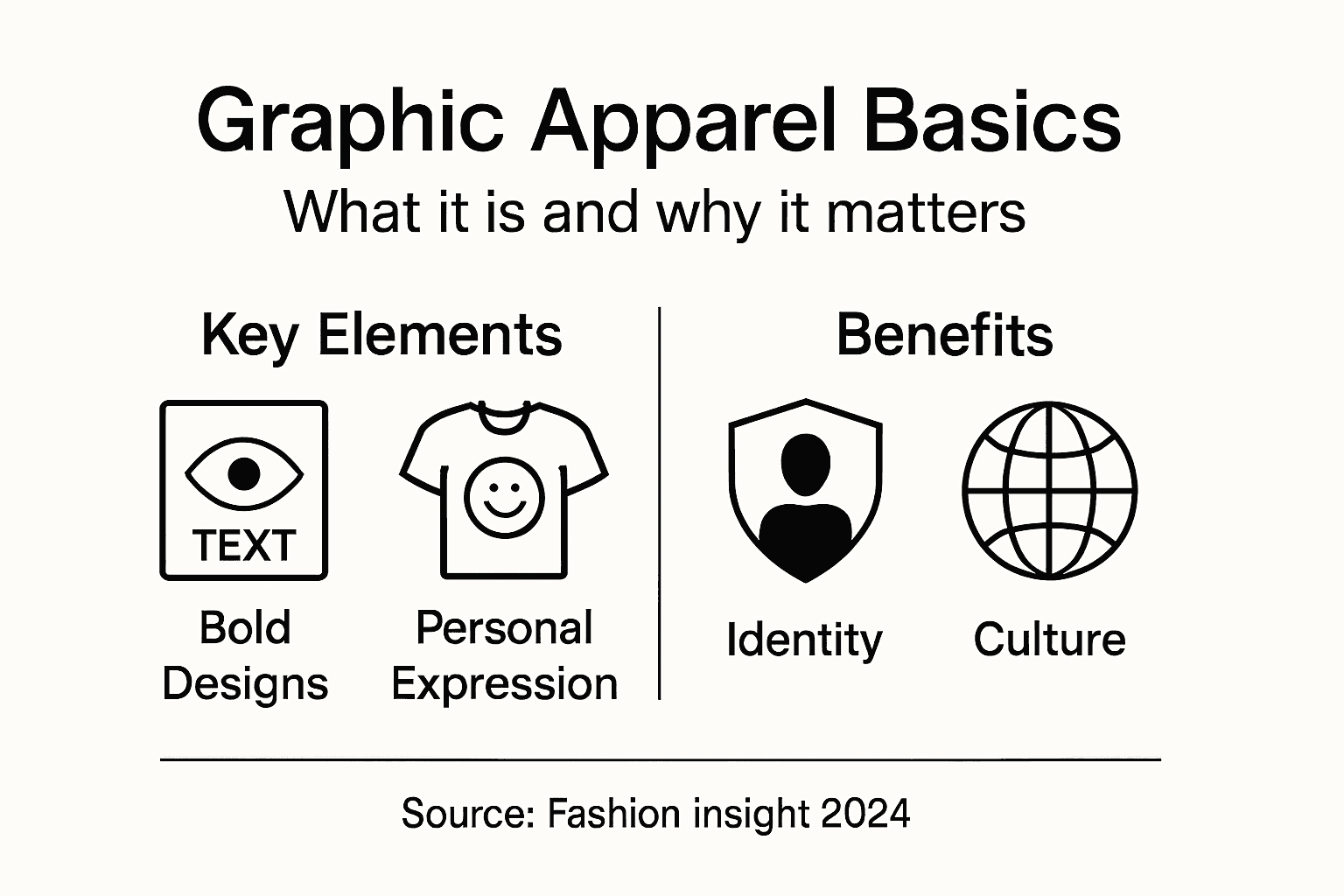
Graphic apparel represents more than just clothing - it’s a powerful medium of personal expression and cultural communication. Originating in the late 1960s, these garments feature printed designs, illustrations, text, or artwork that transform ordinary clothing into a canvas for individual storytelling and social messaging.
At its core, graphic apparel encompasses various clothing items like t-shirts, hoodies, tank tops, and sweatshirts adorned with distinctive visual elements. Cultural symbolism through clothing extends far beyond simple aesthetic choices, representing deep personal and social meanings.
Common myths about graphic apparel often misunderstand its significance. Many people incorrectly assume these garments are merely trendy or superficial. However, the reality is far more nuanced:
- Graphic apparel communicates personal identity
- Designs can represent musical subcultures, political statements, or artistic expressions
- Not all graphic shirts are created equal in terms of cultural significance
- Mass production doesn’t necessarily diminish a garment’s meaningful potential
Understanding graphic apparel requires recognizing its complex role in self-representation. Each design tells a story, whether it’s a band logo, a witty slogan, or an abstract artwork that resonates with the wearer’s inner world.
Pro tip: When selecting graphic apparel, choose designs that genuinely reflect your personality and spark meaningful conversations.
Types of graphic apparel and distinctions
Graphic apparel represents a dynamic and diverse clothing category that goes far beyond simple printed shirts. Garment design techniques encompass multiple styles, printing methods, and creative expressions that transform everyday clothing into personal statements.
The primary types of graphic apparel include multiple clothing categories, each with unique characteristics and design potential:
- T-shirts: The most classic and versatile graphic apparel item
- Hoodies: Providing larger canvas areas for complex designs
- Sweatshirts: Offering warmth and style simultaneously
- Tank tops: Perfect for bold, minimalist graphics
- Activewear: Integrating performance functionality with visual design
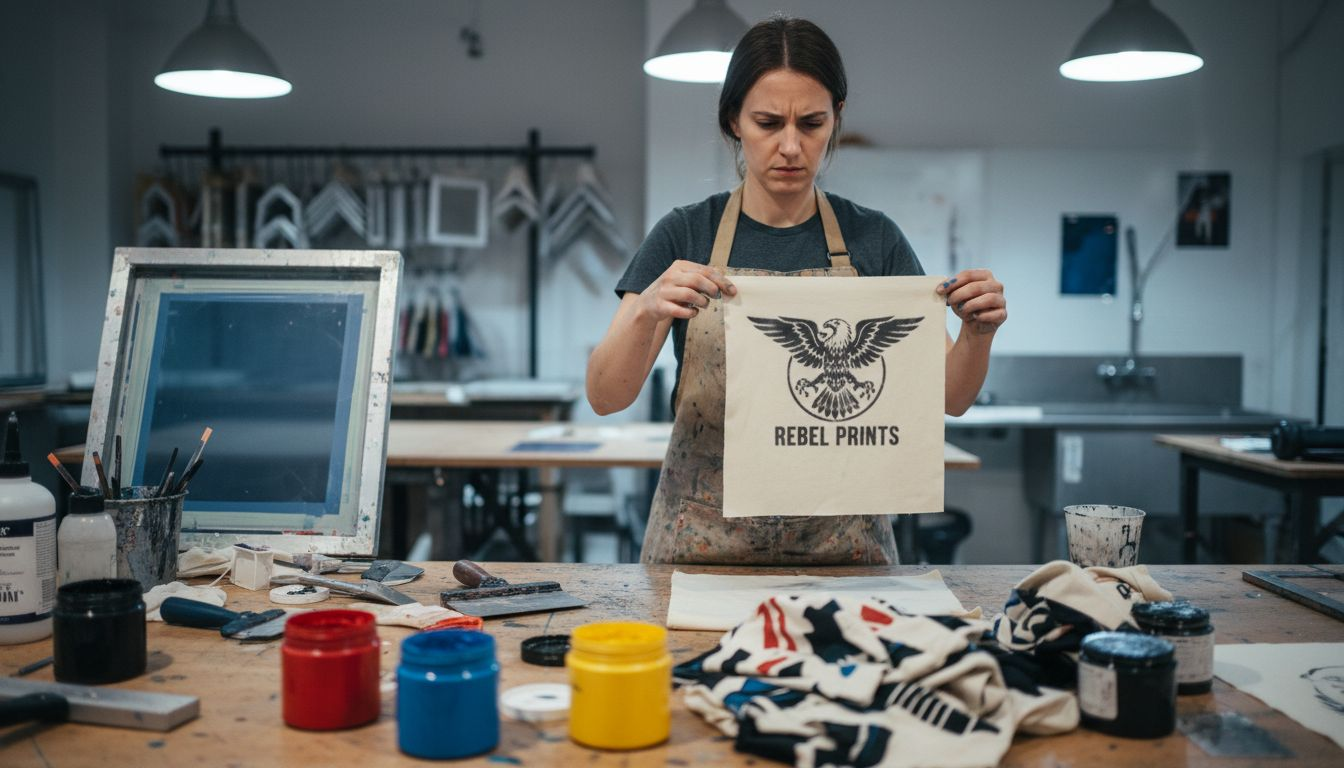
Each type of graphic apparel serves different purposes and allows for distinct design approaches. Textile printing techniques vary widely, including screen printing, digital printing, embroidery, and heat transfer, each offering unique aesthetic and durability characteristics.
The distinctions between graphic apparel types extend beyond visual design. Factors like fabric weight, material composition, printing technique, and intended use all contribute to a garment’s overall appeal and functionality. A graphic hoodie for winter will differ dramatically from a lightweight graphic tank top designed for summer wear.
Here’s a quick comparison of popular graphic apparel types and their best use scenarios:
| Apparel Type | Distinctive Benefit | Ideal Season/Application |
|---|---|---|
| T-shirt | Lightweight comfort | Year-round, casual wear |
| Hoodie | Extra warmth, large print area | Fall/winter, layering |
| Sweatshirt | Cozy style, versatile use | Cooler weather, athleisure |
| Tank Top | Enhanced breathability | Summer, gym or outdoors |
| Activewear | Performance and style | Exercise, sportswear |
Pro tip: Consider the intended use and season when selecting graphic apparel to ensure both style and practical comfort.
How graphic designs are created for clothing
Digital design techniques have revolutionized the way graphic apparel comes to life, transforming creative concepts into wearable art. Modern designers leverage sophisticated software and innovative technologies to craft compelling visual narratives across fabric surfaces.
The graphic design process for clothing typically involves several critical stages:
- Conceptualization: Developing initial design ideas and themes
- Digital sketching: Creating preliminary artwork using design software
- Color selection: Choosing palettes that complement fabric and design
- Technical preparation: Adapting designs for specific printing techniques
- Prototype testing: Evaluating design placement and visual impact
Garment design integration requires careful consideration of multiple factors beyond pure aesthetics. Designers must balance artistic vision with practical constraints like fabric texture, material stretch, and production feasibility. This means understanding how different printing methods—such as screen printing, digital transfer, or sublimation—will interact with specific fabric types.
Technical skills play a crucial role in transforming creative concepts into final graphic apparel products. Designers typically use computer-aided design (CAD) software, which allows for precise manipulation of visual elements, ensuring that graphics look perfect across different garment sizes and styles.
Pro tip: Always consider how your design will look and feel when actually printed on fabric, not just on a digital screen.
Legal protections and compliance requirements
Apparel market regulations create a complex landscape of legal considerations for graphic apparel designers and manufacturers. These requirements extend far beyond simple design aesthetics, encompassing safety standards, intellectual property protections, and international trade guidelines.
Key legal protections for graphic apparel include multiple layers of safeguarding:
- Copyright protection: Securing original artistic designs
- Trademark registration: Protecting brand-specific logos and graphics
- Design patents: Preventing unauthorized reproduction of unique design elements
- Chemical compliance: Meeting safety standards for fabric and printing materials
- Labeling requirements: Ensuring accurate product information and origin disclosure
Intellectual property rights play a crucial role in protecting graphic apparel creators. Designers must navigate complex legal frameworks that distinguish between inspiration and direct copying, understanding the nuanced boundaries of creative expression and legal reproduction.
Compliance requirements vary significantly across different markets. International brands must carefully research and adhere to specific regulations in each target region, which can include everything from fabric chemical restrictions to specific labeling requirements for children’s clothing. Failure to meet these standards can result in significant financial penalties and potential market exclusion.
Pro tip: Consult with an intellectual property lawyer specializing in fashion design to ensure comprehensive protection of your graphic apparel designs.
Risks, pitfalls, and best practices for brands
Apparel production risk management demands comprehensive strategies that address multiple potential challenges in graphic clothing design and manufacturing. Brands must proactively identify and mitigate risks that could compromise product quality, reputation, and market performance.
Key risks facing graphic apparel brands include:
- Supply chain disruptions: Potential delays in production and delivery
- Design copyright infringement: Unintentional similarities with existing designs
- Quality control failures: Inconsistent print or fabric standards
- Regulatory non-compliance: Potential legal and financial penalties
- Sustainability challenges: Meeting evolving environmental standards
Strategic risk management requires brands to develop robust monitoring and assessment frameworks. This involves continuously evaluating supplier practices, implementing technology-driven tracking systems, and maintaining flexibility in production strategies.
Brands must also recognize that risk management extends beyond immediate operational concerns. It encompasses broader considerations like ethical sourcing, labor rights, environmental impact, and maintaining transparent supply chain practices. Successful graphic apparel brands view risk management as a dynamic, ongoing process of continuous improvement and adaptation.
The following table summarizes key challenges and mitigation strategies for graphic apparel brands:
| Risk Area | Primary Challenge | Recommended Practice |
|---|---|---|
| Supply Chain | Unpredictable delays | Diversify sourcing partners |
| Legal Compliance | Changing regulations | Ongoing market research |
| Quality Control | Inconsistent production | Regular supplier audits |
| Sustainability | Meeting eco standards | Use certified materials |
Pro tip: Develop a comprehensive risk assessment protocol that includes quarterly reviews of your entire production ecosystem.
Discover Your True Style with Graphic Apparel That Speaks to You
The article highlights how graphic apparel is a powerful form of personal expression and a way to communicate your identity through unique designs. Many struggle to find clothing that truly reflects their personality and cultural values while ensuring comfort and style. At 3 Wizard Clothing, we understand these challenges and offer a carefully curated selection of graphic apparel designed to connect with your individuality. Whether you want a standout Mens tee that tells your story or a cozy hoodie from our seasonal Fall Collection that blends style with comfort, we have you covered.
Ready to elevate your wardrobe with meaningful graphic apparel that matches who you are today Not only do we provide expressive options for adults but our Kids collection ensures your family can share the same celebration of personality. Explore 3 Wizard Clothing now at https://3wizardclothing.com to find pieces that make visual storytelling effortless and fun Take the step to wear your story with confidence and shop our exclusive collections today.
Frequently Asked Questions
What is graphic apparel?
Graphic apparel refers to clothing items like t-shirts, hoodies, and tank tops that feature printed designs, illustrations, or text, serving as a medium for personal expression and cultural communication.
What are the common types of graphic apparel?
Common types of graphic apparel include t-shirts, hoodies, sweatshirts, tank tops, and activewear, each allowing for different design styles and functional uses.
How are graphic designs created for clothing?
Graphic designs for clothing are created through a process that includes conceptualization, digital sketching, color selection, technical preparation, and prototype testing, utilizing sophisticated design software and printing techniques.
Why is understanding graphic apparel important?
Understanding graphic apparel is important because it represents personal identity and cultural symbolism, allowing individuals to express themselves and engage in meaningful conversations through their clothing choices.


