

TL;DR:
- Comparison shopping for graphic apparel involves actively evaluating multiple options to save money and find better designs.
- Using both manual and automated tools helps consumers compare prices, quality, and style more effectively before purchasing.
Paying more for the same graphic tee just because you didn’t check two tabs is one of those quiet money leaks most shoppers never notice. It’s not bad luck. It’s a habit gap. Clothing comparison shopping is the practice of actively evaluating multiple options before you commit to a purchase, and it’s become one of the smartest moves for anyone hunting down humorous, seasonal, or themed apparel. Whether you’re a young adult refreshing your casual wardrobe or a parent tracking down the perfect Halloween hoodie for your kid, understanding how comparison shopping works can save you real money and get you better style outcomes every single time.
Table of Contents
- What is clothing comparison shopping?
- How comparison shopping works: tools and methods
- Smart strategies for buying graphic and themed apparel
- Limitations, bulk buying, and fast fashion pitfalls
- What most shoppers overlook: true value in graphic apparel
- Discover unique graphic apparel at 3 Wizard Clothing
- Frequently asked questions
Key Takeaways
| Point | Details |
|---|---|
| Manual vs. automated tools | Manual searches work but automated apps and extensions save you time and money. |
| AI transforms shopping | AI assistants help you compare prices, try-on virtually, and find deals for trendy styles. |
| Bulk buying caution | Bulk deals aren’t ideal for seasonal or fast fashion graphic shirts—always consider style longevity. |
| True value goes beyond price | Smart comparison shopping means balancing cost, individuality, and comfort—not just picking the lowest price. |
| Embrace specification filters | Checking product details like size and color prevents mismatches and wasted spends. |
What is clothing comparison shopping?
Clothing comparison shopping means deliberately seeking out multiple versions, prices, or sources for the same item before you click “buy.” It’s not the same as browsing. Browsing is passive. Comparison shopping is active and intentional. You’re stacking options side by side and making a decision based on evidence, not impulse.
The practice has existed as long as retail has, but the tools available in 2026 have completely changed its speed and accuracy. Ten years ago, you might have physically walked between two stores. Today, you can compare dozens of retailers in under three minutes without leaving your couch.
Here’s why it matters specifically for graphic apparel fans:
- Graphic tees, novelty hoodies, and seasonal designs vary wildly in price across retailers, sometimes by $15 or more for the near-identical product
- Limited edition or humorous designs often appear on multiple platforms at different price points
- Quality can differ even when the design looks identical, so comparison shopping helps surface reviews and specs
- Families buying multiple pieces for Halloween or fall season especially benefit from stacking deals
Comparison shopping mechanics include manual comparison by visiting multiple retailer sites, using dedicated price comparison websites like Google Shopping, idealo, or ShopStyle, or relying on browser extensions and apps like Coupert, Savely, and Phia that automate price checks across retailers.
“The smartest shoppers don’t wait for sales. They compare before every purchase and let the tools do the heavy lifting.”
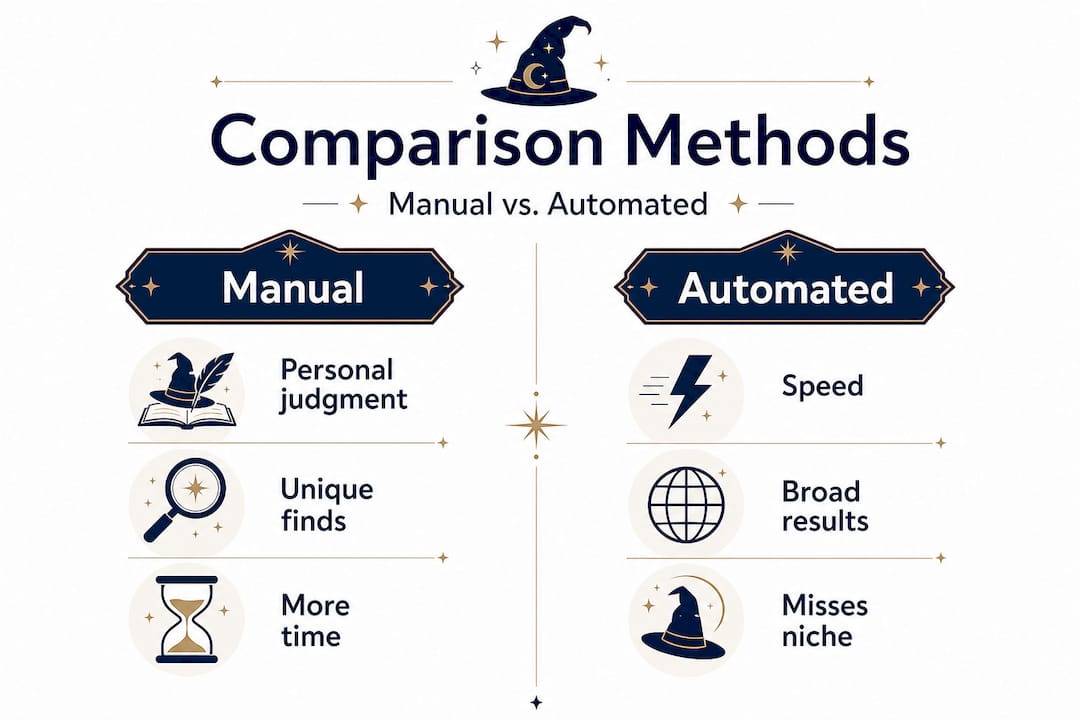
Manual methods give you full control and let you assess design quality, fabric descriptions, and seller reputation directly. Automated tools save time but sometimes miss niche or boutique items. The best approach often combines both. If you want to understand how graphic tees fit into a broader casual wardrobe strategy, exploring styling graphic tees can give you a useful foundation before you start comparing prices.
How comparison shopping works: tools and methods
Understanding the mechanics behind comparison shopping helps you use these tools more effectively. There are two main approaches: manual and automated.
Manual comparison involves opening multiple retailer tabs, searching for the same product or a close equivalent, and recording prices, reviews, and shipping costs yourself. It’s time-consuming but thorough. You catch things automated tools miss, like subtle differences in print quality or fit descriptions that indicate sizing runs small.
Automated comparison uses technology to do the heavy lifting. Here’s how the process typically works step by step:
- You install a browser extension or open a comparison app
- The tool detects the product page you’re viewing and extracts key identifiers
- It searches its database of retailer feeds for matching or similar items
- Results are ranked by price, availability, or user rating
- You click through to the best option and complete your purchase
The underlying product matching methodology uses UPC/EAN codes, model numbers, title similarity analysis with natural language processing, specification comparison (size, color), and weighted scoring to identify identical items across sites. This is why filters matter. If a tool shows you a result without filtering by size and color, it might be comparing a different variant entirely.
| Tool type | Best for | Limitations |
|---|---|---|
| Google Shopping | Mainstream graphic tees | Misses boutique or indie designs |
| Browser extensions (Coupert, Phia) | Real-time price alerts | Requires installation; data varies |
| Dedicated comparison apps | Cross-retailer matching | May lag on new arrivals |
| Manual tab comparison | Niche, seasonal, limited designs | Time-intensive |
| ShopStyle | Fashion-specific comparisons | Skews toward premium brands |
Pro Tip: Always apply size and color filters before trusting any comparison result. A tool might surface a “cheaper” option that’s a different colorway or runs two sizes smaller, which turns a deal into a return shipping headache.
For families shopping trendy kids’ graphic styles, automated tools are especially useful because you’re often buying multiple sizes at once. The time savings add up fast when you’re sourcing matching Halloween shirts for three kids.
Smart strategies for buying graphic and themed apparel
Knowing the tools is only half the equation. The other half is strategy. Here’s how to maximize your comparison shopping results specifically for casual, humorous, and seasonal graphic designs.
Start with a clear product definition. Vague searches return vague results. Instead of searching “funny Halloween shirt,” search “women’s Halloween graphic tee black cotton size medium.” The more specific you are, the more accurate your comparison will be.
Use multiple touchpoints before deciding:
- Check mainstream retailers for price baselines on common designs
- Browse boutique sites for exclusive or limited edition prints
- Look at secondhand markets for discontinued or vintage graphic styles
- Read at least five reviews focused on print durability, not just fit
- Check the return policy, especially for seasonal items you might not open immediately
Leverage AI shopping assistants for graphic apparel. AI tools like Macy’s Ask Macy’s, the Phia app, and browser-based assistants now automate comparisons including virtual try-ons and secondhand market searches for trendy casual wear and graphic tees. Virtual try-on is particularly useful when you’re buying a statement piece like a Halloween hoodie or a bold seasonal tee you’ve never worn a similar cut of before.
Here’s a comparison of shopping approaches for graphic apparel:
| Strategy | Cost savings | Style uniqueness | Time investment |
|---|---|---|---|
| Mainstream retailers only | Moderate | Low | Low |
| Boutique plus mainstream comparison | High | High | Moderate |
| Secondhand market search | Very high | Very high | High |
| AI-assisted automated comparison | High | Moderate | Very low |
| Manual multi-tab browsing | Moderate | Moderate | High |
Pro Tip: Before buying any graphic tee as a gift or for a specific event, always check for a style preview or lifestyle photo. Product mockups on white backgrounds often hide design flaws or print placement issues that show up clearly in real-wear photos.
For more specific guidance on getting the most from humorous styles, the humorous graphic tee tips resource covers what to look for in print quality and joke legibility at different sizes. And if you’re buying for kids specifically, the kids graphic shirts guide walks through material, sizing, and washability considerations that matter a lot over time.
Limitations, bulk buying, and fast fashion pitfalls
Comparison shopping is a genuinely powerful tool, but it has blind spots. Understanding them makes you a sharper shopper rather than an overconfident one.
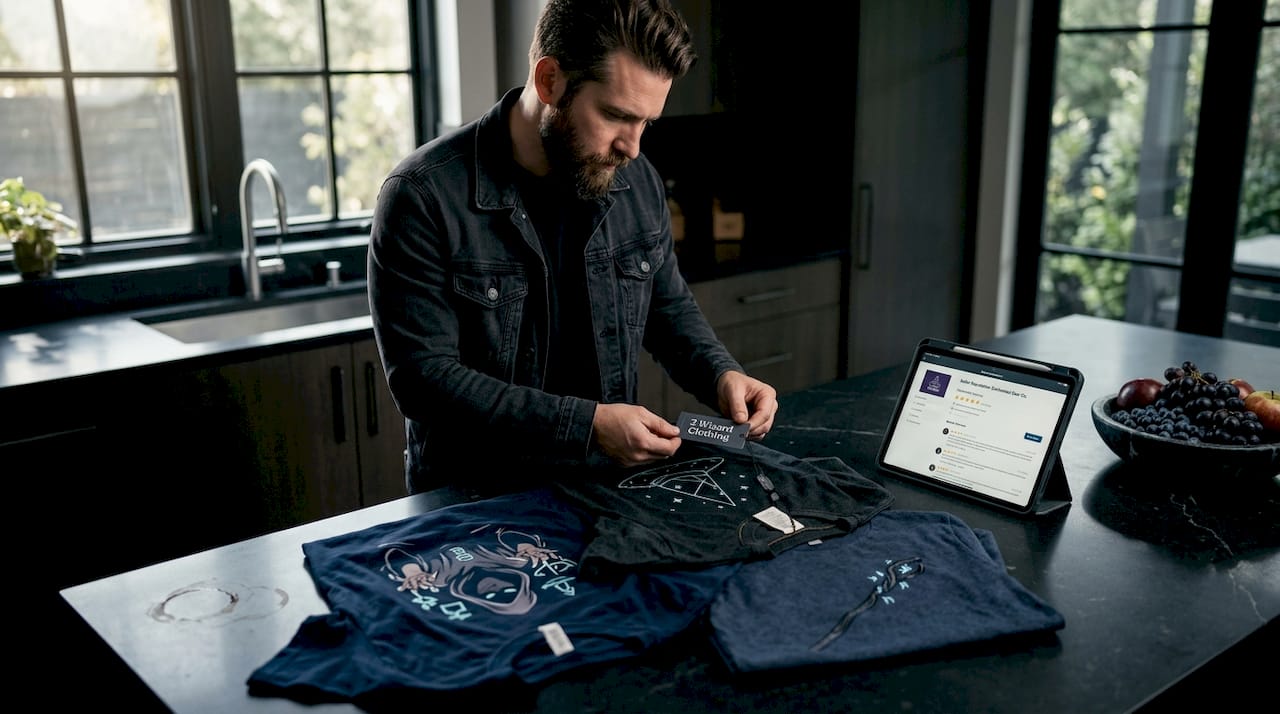
The lowest price isn’t always the best deal. With graphic apparel in particular, printing quality, fabric weight, and ethical sourcing all disappear from a price comparison table. Two shirts at different prices might look identical in a product photo but feel completely different after two washes. The cheaper option often uses thinner fabric or a plasticky heat transfer print that cracks within a season.
Bulk buying has real risks for seasonal items:
- A family that buys 10 Halloween tees in July at a bulk discount might find styles have shifted by October
- Kids’ sizes change. What fits in August may not fit by the time a themed event actually rolls around
- Fast fashion turnover means designs that feel fresh in bulk often feel dated by the time you’ve worn them half the time
- Storage and return logistics for bulk apparel purchases can eat into any savings
Unit pricing helps with bulk decisions, but as consumer finance experts note, bulk buys may not suit all situations, especially for seasonal kids’ graphic tees where styles change fast and sizing is less predictable.
“Comparison shopping is a lens, not a guarantee. It shows you price differences clearly, but it can’t tell you whether the shirt will still make you smile in six months.”
Fast fashion creates false comparisons. Many inexpensive graphic tees from high-volume fast fashion sources technically compare favorably on price, but they represent a different product category in terms of longevity. When comparison tools surface these alongside quality-printed boutique tees, they’re not actually comparing the same thing. The design might look similar, but the experience of owning it is entirely different.
The solution is to add a “lifetime cost” filter to your thinking. A tee that costs $28 and lasts three years is cheaper per wear than a $15 tee you replace every six months. Fun and comfort in graphic tees explores why families increasingly prioritize durability and design quality over raw price, especially for pieces their kids actually wear repeatedly.
What most shoppers overlook: true value in graphic apparel
Here’s an opinion that might push back on everything you just read about comparison shopping: price is a terrible primary filter for graphic apparel.
That sounds counterintuitive coming right after a deep breakdown of comparison tools. But stick with it for a second. When you use a comparison tool to hunt for the cheapest funny skeleton tee or the most affordable fall harvest graphic hoodie, you’re applying a commodity framework to something that is fundamentally expressive. Graphic clothing is not a commodity.
The tees and hoodies that people actually wear repeatedly, that spark conversations, that end up in photos, are rarely the ones that won a price comparison. They’re the ones that felt right, that matched a personality, that had a design nobody else seemed to be wearing at the party. Graphic tees in youth style carry real identity weight, particularly for teens and young adults who use clothing as a primary form of self-expression.
Smart comparison shopping for this category means widening what you’re comparing. Compare design originality, not just price. Compare print durability based on reviews, not just specs. Compare whether the brand has a sense of humor that actually matches yours, because a technically cheaper tee with a joke you don’t fully love will hang in your closet untouched.
We think the most satisfying graphic tee purchases happen when shoppers use comparison tools to eliminate obviously overpriced options, then make their final call based on design resonance and personal fit, not just the number at checkout. That’s the move most shopping guides skip because it’s harder to turn into a step-by-step process. But it’s what separates a purchase you wear twice from one you reach for every week.
Discover unique graphic apparel at 3 Wizard Clothing
You’ve now got a solid system for comparison shopping graphic apparel, from browser extensions to AI assistants to the real-value filters that matter beyond price. The next step is putting it into practice with a collection that’s actually worth comparing for.
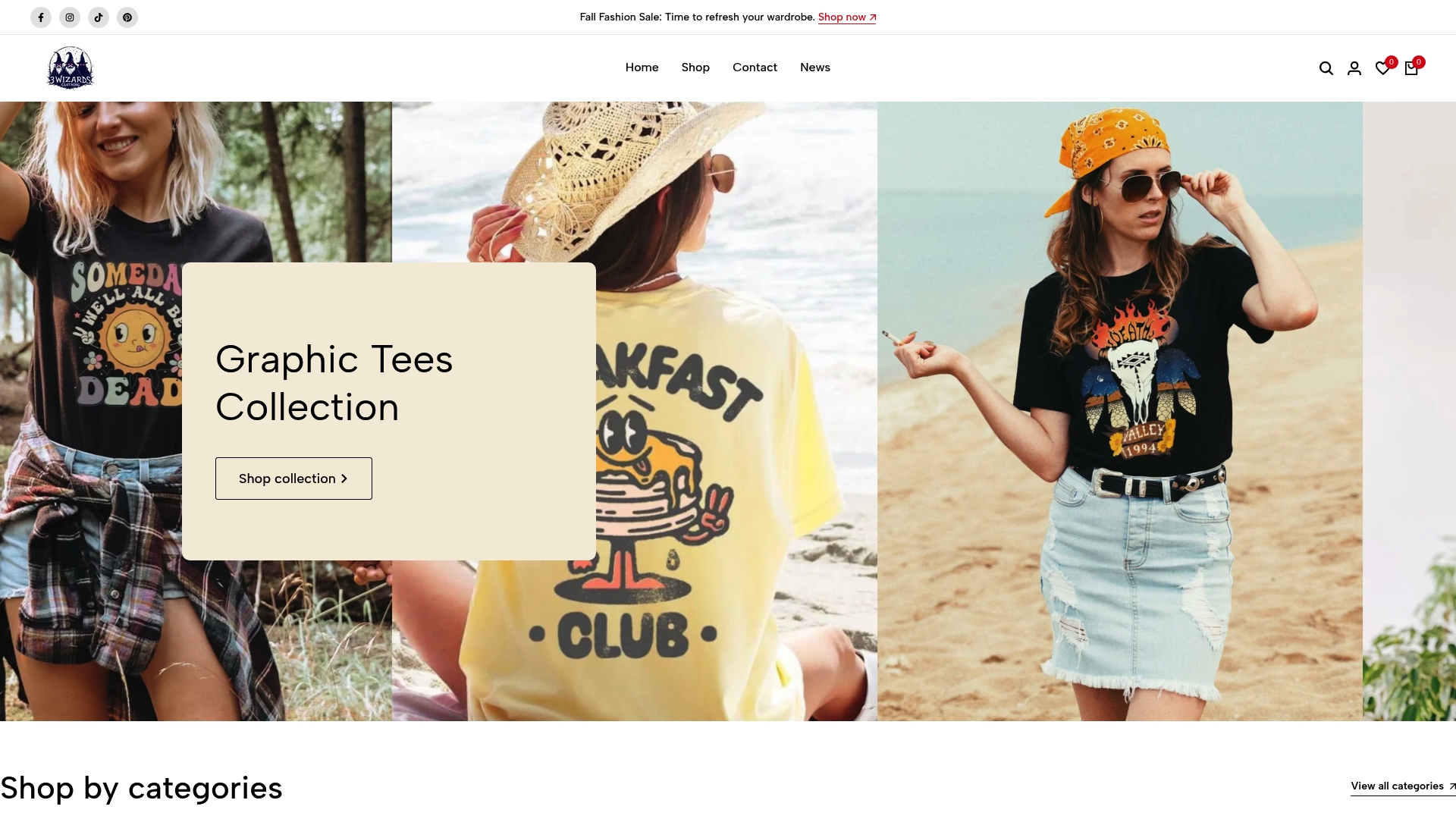
At 3 Wizard Clothing, we curate graphic tees, hoodies, and themed designs with humor, seasonal flavor, and individuality built in. Whether you’re after a standout fall piece like our pumpkin season graphic tee, stocked with cozy autumn icons that hold up wash after wash, or you’re comparing options for the whole family across Halloween and everyday casual styles, our catalog is built for shoppers who care about design as much as price. Explore the full collection, use our built-in comparison and wishlist features, and shop with the confidence that comes from knowing exactly what to look for.
Frequently asked questions
How do price comparison tools identify identical clothing items?
They use UPC/EAN codes, NLP title analysis, and specification matching like size and color to score similarity across retailers. The higher the match score, the more confidently a tool treats two listings as the same product.
Are comparison shopping tools reliable for themed graphic tees?
They’re reliable for mainstream branded tees, but dedicated comparison sites like Google Shopping or ShopStyle often miss limited edition, boutique, or seasonal designs. Always cross-check product details manually when shopping for niche styles.
What’s the best way to comparison shop for funny kids’ graphic shirts?
Start with fashion-focused comparison platforms like ShopStyle, then layer in a browser extension to catch real-time price drops across multiple retailers in a single session.
Does bulk buying graphic tees save money for families?
Bulk buying lowers unit price, but seasonal and fast-changing designs make bulk purchases risky for families, especially when kids’ sizing or seasonal trends shift between purchase and use.
Can AI shopping assistants help with clothing comparison?
Yes. AI tools now automate price checks, virtual try-ons, and secondhand market searches specifically for casual and graphic apparel, cutting comparison time significantly while surfacing options you might not find manually.


