

TL;DR:
- Modern seasonal fashion reflects weather, culture, humor, and personal events, not just the calendar.
- Building a versatile wardrobe with core pieces and layering enhances adaptability across seasons.
- Incorporating themed, humorous, or personality-driven items adds fun and sustainability to seasonal dressing.
Most people think seasonal fashion means pulling out your heavy coat when it gets cold and swapping it for a tank top when summer hits. That’s it. But that view misses almost everything interesting happening in wardrobes right now. Today’s seasonal style is about syncing your clothes with cultural moments, your sense of humor, and your family’s personality, not just the forecast. Whether you’re hunting for the perfect Halloween graphic tee or figuring out how to layer a statement piece into a fall look, this guide covers the full picture: trends, themed styles, practical strategies, and the fun stuff most fashion articles skip.
Table of Contents
- Defining seasonal fashion: More than just weather changes
- Building a seasonal wardrobe: Core pieces and layering strategies
- Trends, humor, and themed styles: Making every season special
- Regional, climate, and ethical considerations in seasonal fashion
- Our take: Why the best seasonal wardrobes mix fun, function, and flexibility
- Find your seasonal favorites at 3 Wizard Clothing
- Frequently asked questions
Key Takeaways
| Point | Details |
|---|---|
| Seasonal fashion evolves | Modern seasonal style now means combining trends, humor, and themed looks—not just swapping clothes as the weather shifts. |
| Build a flexible wardrobe | Focus on versatile, layerable basics and supplement with fun, event-driven pieces for every season. |
| Consider climate and ethics | Adapt your style with climate-smart materials and balance fast trends with lasting, sustainable choices. |
| Themed and humorous styles matter | Adding playful or festive items creates memorable and expressive looks for families and individuals. |
Defining seasonal fashion: More than just weather changes
Seasonal fashion used to follow a simple rule: four seasons, four wardrobes. Spring pastels, summer linens, fall earth tones, winter knits. Rotate and repeat. That model made sense when fashion moved slowly and retailers dictated the calendar. But in 2026, that approach feels stiff and disconnected from how people actually dress.
Today, seasonal fashion means updating your clothing to reflect weather, yes, but also cultural events, trending aesthetics, humor, and your personal social calendar. A family heading to a Halloween party in October needs a different kind of seasonal thinking than someone navigating a rainy spring in the Pacific Northwest. Both are doing seasonal fashion, just differently.
The old calendar model has been criticized for its weather disconnect, with brands pushing coats in summer and swimwear in winter based on production schedules rather than real consumer needs. Real-time data and AI-driven drops are now pushing brands to align with what shoppers actually want, when they want it.
“The shift toward consumer-centric, real-time trend cycles is fundamentally changing how we think about seasonal collections.”
Modern factors shaping seasonal fashion today include:
- Climate and local weather patterns that vary wildly by region
- Cultural and holiday events like Halloween, Thanksgiving, and summer festivals
- Humor and personality-driven apparel, including witty graphic tees and novelty prints
- Themed collections tied to pop culture, sports seasons, or family milestones
- Social media trend cycles that move faster than any traditional four-season calendar
For versatile wardrobe planning, the key is treating seasonal fashion as a living, flexible practice rather than a rigid annual reset. Your wardrobe should respond to your life, not the other way around.
Building a seasonal wardrobe: Core pieces and layering strategies
With seasonal fashion redefined, here’s how you can build a wardrobe that works year-round. The capsule wardrobe concept is your best starting point. A capsule of 12 to 16 items per season balances core neutrals with statement pieces, giving you maximum outfit combinations without closet chaos.
Here’s a quick comparison to help you decide which approach fits your family:
| Feature | Capsule wardrobe | Trend-heavy wardrobe |
|---|---|---|
| Cost per season | Lower long-term | Higher, frequent buys |
| Environmental impact | Minimal waste | Higher turnover waste |
| Variety | Curated, intentional | Wide but inconsistent |
| Versatility | High, mixes easily | Lower, trend-specific |
| Best for | Families, busy lifestyles | Trend enthusiasts |
Layering is the real secret weapon for transitional or “shoulder season” weather, those weeks in early fall or late spring when mornings are cold and afternoons are warm. Here’s a simple layering approach that works for all ages:
- Start with a breathable base layer, like a fitted graphic tee or a lightweight tank top.
- Add a mid-layer such as an open flannel shirt, light hoodie, or denim jacket.
- Top it with a weather-responsive outer layer like a zip-up or packable vest you can tie around your waist.
- Swap the mid-layer for themed or statement pieces on event days without rebuilding the whole outfit.
For a deeper look at how to style your base layers, the t-shirt layering guide breaks down exactly how graphic tees can anchor seasonal looks without feeling repetitive.
Pro Tip: Choose multi-season materials like merino wool or technical blends. They regulate temperature, resist odor, and hold up wash after wash, making them the smartest investment in any seasonal wardrobe.
Trends, humor, and themed styles: Making every season special
After building a flexible base, it’s time to add iconic, themed, and fun touches to your seasonal style. Humor in fashion isn’t a novelty anymore. It’s a full trend. Witty graphic tees, punny prints, and personality-forward accessories have become a core part of how families and individuals express themselves across every season.

Here’s a snapshot of the biggest themed holiday styles and trend directions by season in 2026:
| Season | Key materials | Popular motifs | Color schemes |
|---|---|---|---|
| Spring | Linen, cotton blends | Florals, animals, humor | Soft pastels, mint, coral |
| Summer | Tech fabrics, jersey | Graphic prints, bold slogans | Bright primaries, neons |
| Fall | Velvet, flannel, knits | Critters, pumpkins, Halloween | Rust, emerald, deep red |
| Winter | Merino, fleece | Festive, jewel tones, shine | Red, gold, navy, emerald |
Festive jewel tones like red and emerald are dominating fall and winter collections, while humor-forward accessories are adding personality without requiring a full outfit overhaul. Think novelty socks, themed hats, or a graphic tee that makes everyone at the school pickup line smile.
Best use-cases for themed outfits include:
- Holiday gatherings like Halloween parties, Thanksgiving dinners, and Christmas mornings
- Casual family outings to pumpkin patches, fairs, or weekend markets
- School events and spirit days where kids and parents can coordinate looks
- Social media moments where a fun graphic tee becomes the star of the photo
For the latest 2026 t-shirt trends across all ages, bold slogans and seasonal critter prints are leading the pack.
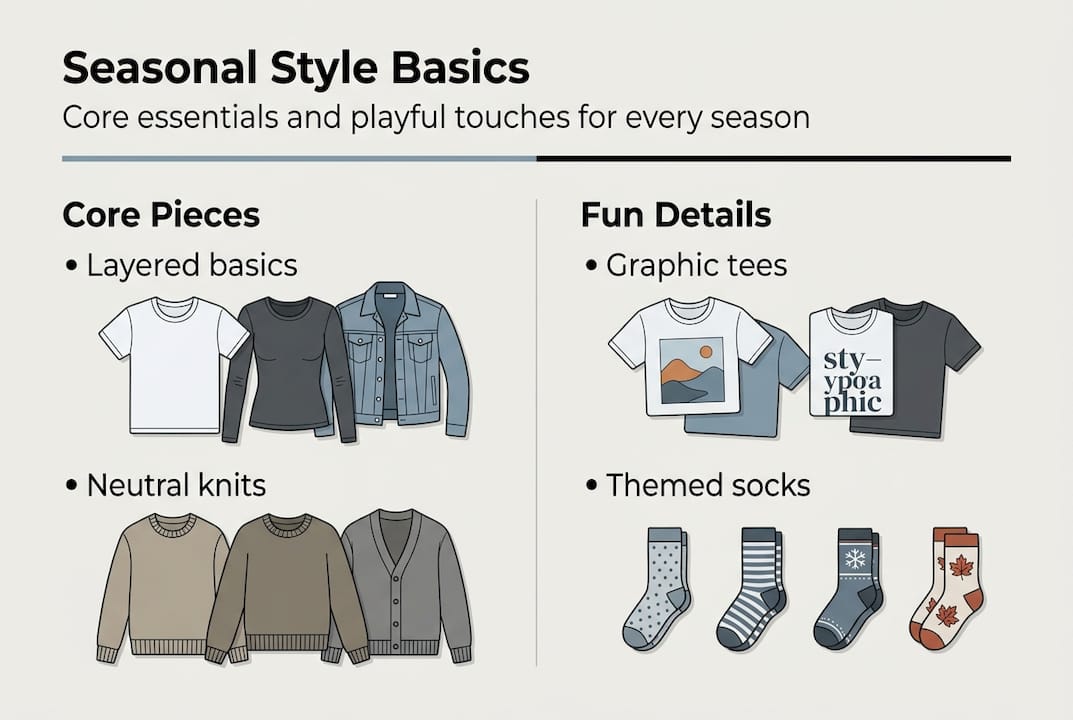
Pro Tip: Use accessories like themed socks, beanies, or tote bags to inject humor or holiday spirit into an otherwise simple outfit. You get the fun without sacrificing versatility.
Regional, climate, and ethical considerations in seasonal fashion
But no one lives in a fashion vacuum. Let’s look at climate, region, and responsible choices for real-life style. Where you live shapes your seasonal wardrobe more than any trend report. Someone in Miami has almost no use for a heavy wool coat, while a family in Minnesota needs serious cold-weather layering from October through April. Monsoon seasons in South Asia call for quick-dry fabrics and waterproofing that most Western fashion calendars completely ignore.
Climate-responsive textiles are changing what seasonal dressing looks like. Key options include:
- Phase-change materials that absorb and release heat to regulate body temperature
- Multi-season fabrics like merino wool and technical blends that work across a wide temperature range
- Moisture-wicking and quick-dry fabrics for humid or rainy climates
- UV-protective textiles for families in high-sun regions year-round
Beyond climate, the ethical dimension of seasonal shopping matters more than ever. Fast fashion offers affordability and trend-speed, but generates enormous textile waste. Slow fashion prioritizes durability and ethical production, though it often comes at a higher price point.
“The real cost of cheap seasonal fashion isn’t paid at checkout. It’s paid in landfill space and labor conditions that most shoppers never see.”
For families trying to balance budget and values, the smartest move is investing in durable core pieces while being selective about trend-driven buys. When you shop trendy graphic clothing with longevity in mind, you get the fun of seasonal style without the guilt of constant turnover.
Our take: Why the best seasonal wardrobes mix fun, function, and flexibility
Now that the basics are clear, here’s a perspective you won’t find in most fashion guides. Most seasonal style advice focuses entirely on utility: what to buy, when to buy it, and how to store it. What gets left out is the emotional side of getting dressed, and that’s actually where the magic happens.
Wearing a funny Halloween tee in July isn’t a fashion crime. It’s a personality statement. At 3 Wizard Clothing, we’ve seen how expressing personality with themes year-round creates a stronger connection to your wardrobe than any capsule formula ever could. When you love what you’re wearing, you wear it more, buy less to replace it, and feel better doing both.
Sustainability isn’t just about buying fewer things. It’s about buying things you genuinely want to keep. A themed graphic tee that makes your kid laugh every time they see it in the drawer gets worn. A “sensible” neutral that felt responsible at checkout gets forgotten. The contrarian truth is that fun, expressive pieces often outlast boring basics in real-world wardrobes.
Pro Tip: Rotate your statement and themed pieces year-round, mixing them with core basics. A fall critters tee works just as well on a crisp March morning as it does in October. Don’t let the calendar limit your closet.
Find your seasonal favorites at 3 Wizard Clothing
Ready to apply what you’ve learned? Here’s where to find styles everyone will love.
3 Wizard Clothing makes it easy to build a seasonal wardrobe that’s actually fun to wear. From the effortlessly cool simple sneaker tee that anchors any casual layered look, to the charming autumn critters tee that brings fall energy to the whole family, every piece is designed with real seasonal life in mind.
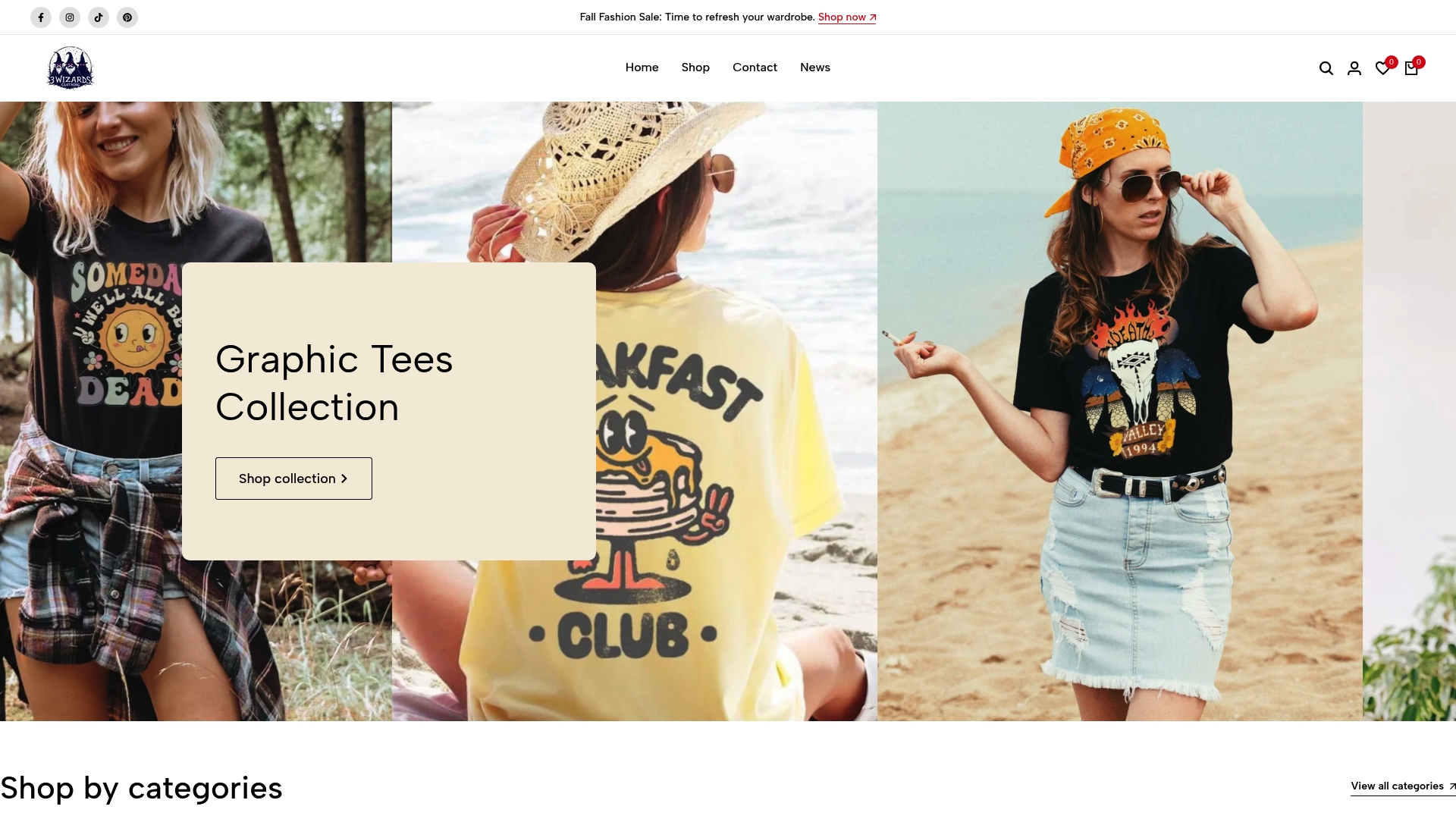
Whether you’re shopping for a holiday event, a weekend outing, or just a Tuesday that needs a little personality, the full collection at 3 Wizard Clothing has graphic tees, hoodies, and themed styles for men, women, and kids. Explore new arrivals, seasonal bestsellers, and limited collections that make getting dressed the best part of your day.
Frequently asked questions
What makes seasonal fashion different from regular fashion?
Seasonal fashion emphasizes updating wardrobes to reflect current trends, climate needs, and themed events, rather than just wearing everyday basics year-round. It’s a more intentional, responsive approach to dressing.
How can I build a flexible wardrobe for all seasons?
Start with versatile, layerable basics and add themed or trendy pieces to swap in as seasons and events change. A capsule of 12 to 16 core items gives you the foundation without the clutter.
Are themed, humorous outfits suitable for everyday wear?
Absolutely. Pairing a themed or funny item with core basics makes it perfect for family outings, holidays, or casual settings year-round. The key is balancing statement pieces with simple, neutral companions.
What’s the difference between fast fashion and slow fashion in seasons?
Fast fashion offers immediate trends at low cost but generates significant waste, while slow fashion prioritizes durability and ethical practices, often at higher prices. For seasonal wardrobes, a mix of both approaches tends to work best for most families.
Recommended
- Spooky Apparel: Humor, Comfort & Halloween Style – 3 Wizard Clothing
- Top funny clothing styles for standout self-expression – 3 Wizard Clothing
- Discover Halloween Fashion: Trends, Origins & Style Tips – 3 Wizard Clothing
- Why Wear Humorous T-Shirts: Self-Expression and Social Impact – 3 Wizard Clothing
- Luxury Fashion Trends: How They Shape Modern Style
- How hats shape self-expression and personal style


