

TL;DR:
- Effective fall fashion relies on a three-layer system: a fitted base, a standalone mid-layer, and a structured outer layer. Building a capsule wardrobe with versatile, color-coordinated pieces enables numerous outfits while emphasizing texture contrast and fit. Intentional layering and silhouette control create polished looks suitable for varying weather and personal style preferences.
Fall fashion styling steps are a repeatable layering system built on three core layers: a smooth base, a warm mid-layer, and a structured outer layer, finished with clean accessories. This is what professional stylists call the “layering formula,” and it works because each layer serves a distinct function in both warmth and visual structure. A practical fall layering system keeps your outfits light, intentional, and easy to adapt as temperatures shift throughout the day. Master this formula once and you will never stare blankly at your closet on a 52-degree morning again.
What are the essential base, mid, and outer layers in fall fashion?
The base layer is your foundation, and its job is to regulate body temperature without adding visual bulk. Thin, fitted options like ribbed turtlenecks, bodysuits, and merino wool thermals work best here. Thin merino wool bases manage warmth and moisture far better than thick cotton, which traps heat unevenly and creates lumps under mid-layers. Think of your base as invisible infrastructure: it should disappear under everything else.
The mid-layer is where personality enters the outfit. Fine knit sweaters, cardigans, tailored blazers, and quilted vests all qualify. The key rule here is that your mid-layer should read as a complete outfit on its own, because you will remove your coat the moment you walk indoors. A chunky cardigan over a bodysuit with straight-leg trousers is a full look. A blazer over a thermal turtleneck with dark denim is another. Design each mid-layer combination to stand alone.
The outer layer provides structure, wind protection, and the visual frame of the entire outfit. Wool coats, trench coats, tailored blazers worn as outerwear, and leather jackets all serve this role. The outer layer often functions more as a visual and structural statement than a purely thermal one, which is why fit matters more than weight here. A well-cut trench coat over a slouchy knit creates instant polish.
Fit progression is the principle that ties all three layers together. Starting with a fitted base and adding texture and structure outward creates a clean silhouette instead of a puffy, shapeless mass. Each layer should be slightly more relaxed or structured than the one beneath it.
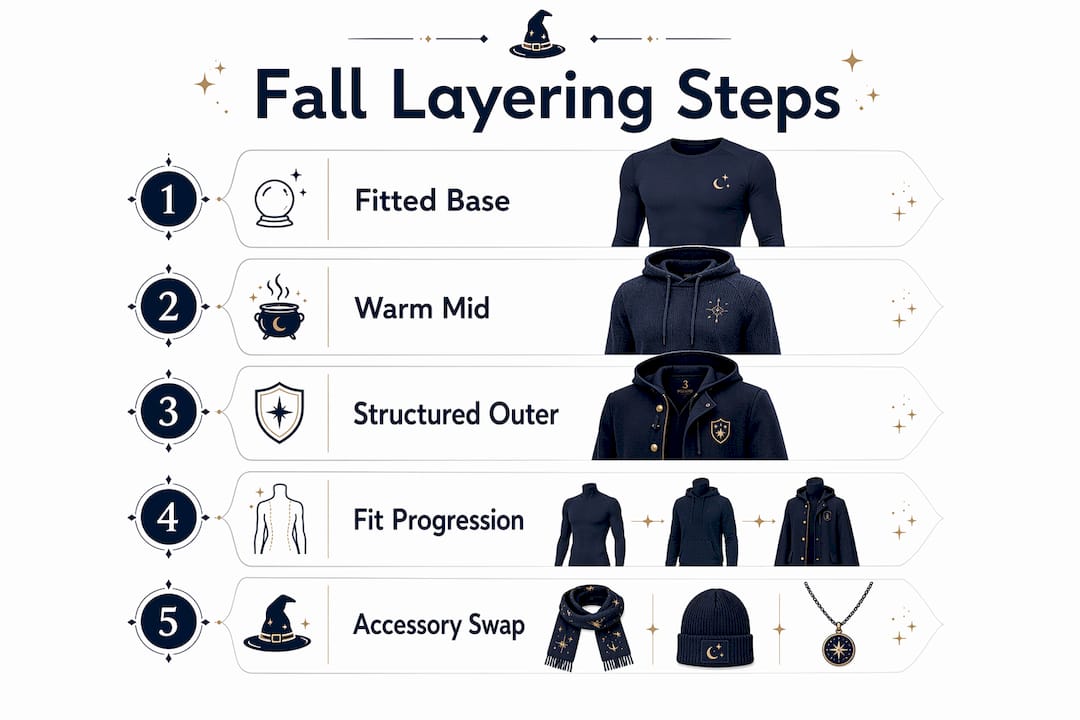
Pro Tip: Avoid thick cotton crewnecks as base layers. They bunch under mid-layers and create visible ridges at the neckline. A fitted ribbed turtleneck or a thin merino long-sleeve solves both problems.
Here are the three layer types and their ideal fabric choices:
- Base layer: Merino wool, modal, or thin thermal knit. Fitted silhouette, no bulk.
- Mid-layer: Fine knit, cashmere blend, ponte blazer, or quilted vest. Standalone wearability required.
- Outer layer: Wool, tweed, waxed cotton, or faux leather. Structured fit, hem falls at hip or below.
How to build a versatile fall capsule wardrobe to support layering
A fall capsule wardrobe of 12 to 15 essential pieces creates 30 or more distinct outfits through mix-and-match combinations. That number is not arbitrary. It reflects the minimum needed to cover work, weekend, and transitional weather without redundancy. More than 15 pieces and you start accumulating items that only work in one combination. Fewer than 12 and you run out of variety by week two.
Color palette is the silent organizer of any capsule. Tonal color palettes within the same color family are more forgiving and polished in fall layering than high-contrast combinations. Build your base around neutrals: cream, camel, black, and gray. Then add two or three autumn accent colors, with burgundy, olive green, and rust being the most versatile. An effective fall palette balances these neutrals with seasonal accents so every piece connects to at least three others.
Capsule wardrobes succeed by focusing on repeatable versatile pieces rather than chasing new trends each season. The cornerstone items are a button-down shirt, a fine knit sweater, tailored trousers, dark denim, a blazer, a trench coat, and ankle boots or loafers. Each of these works across at least four outfit combinations. That is the test: if a piece only works in one or two outfits, it does not belong in a capsule.
A recommended 15-piece fall capsule breaks down by category as follows:
| Category | Pieces | Example items |
|---|---|---|
| Base tops | 3 | Ribbed turtleneck, thermal long-sleeve, fitted button-down |
| Mid-layers | 2 | Fine knit sweater, tailored blazer |
| Outer layers | 2 | Wool coat, trench coat or leather jacket |
| Bottoms | 3 | Dark denim, tailored trousers, midi skirt |
| Shoes | 2 | Ankle boots, loafers or white sneakers |
| Accessories | 2 | Wool scarf, structured bag or belt |
| Graphic statement tee | 1 | Seasonal graphic tee for casual layering |
The graphic tee slot is worth noting. A well-chosen fall graphic tee worn under an open blazer or flannel shirt adds personality without disrupting the capsule’s color logic. Keep the graphic tonal or seasonal and it integrates cleanly.
What layering and styling steps create polished fall outfits?
The step-by-step process for building a polished autumn outfit follows a consistent sequence regardless of occasion. Here is the core formula:
- Choose your base layer. Select a fitted, thin top in a neutral or tonal color. A black bodysuit, a cream ribbed turtleneck, or a white thermal long-sleeve all work.
- Add your mid-layer. Pick a piece that functions as a standalone outfit. A camel cardigan, an olive blazer, or a burgundy fine-knit sweater each read as complete looks on their own.
- Top with a structured outer layer. A wool coat or trench coat frames the outfit and adds visual weight at the top. A leather jacket adds edge and works for casual combinations.
- Integrate texture contrast. Pair a smooth base with a knit mid-layer and a wool or leather outer layer. Texture contrast creates dimension and makes layered outfits look intentional rather than accidental.
- Choose finishing details. Shoes, bags, and scarves complete the look. Ankle boots ground most fall outfits. A structured tote or crossbody bag adds polish. A wool or cashmere scarf adds both warmth and color.
Silhouette control is the step most people skip, and it is the one that separates polished outfits from sloppy ones. Hem length relationships between layers determine whether a layered look reads as intentional or accidental. Your cardigan hem should not hit at the exact same point as your coat hem. Your shirt hem should not peek below your sweater unless that is deliberate. Plan where each layer ends relative to the one beneath it.
Pro Tip: A half-tuck or a thin belt at the waist instantly defines your silhouette when layering bulkier mid-layers. It prevents the “wearing a blanket” effect that happens when everything is the same volume from shoulder to hip.
Example outfit formulas by occasion:
- Casual weekend: Graphic tee + open flannel shirt + straight-leg jeans + white sneakers or Chelsea boots
- Smart casual: Ribbed turtleneck + tailored blazer + dark trousers + loafers + structured bag
- Elevated casual: Bodysuit + fine knit cardigan + midi skirt + ankle boots + wool scarf
- Outdoor day: Thermal long-sleeve + quilted vest + trench coat + dark denim + lug-sole boots
Layering with intention and creativity rather than strict rules allows vintage pieces and bold prints to integrate successfully. A vintage denim jacket over a modern knit sweater works because the fit progression is still correct. The rules are structural, not stylistic.
How to adjust fall fashion styling steps for different weather and lifestyle needs
Transitional fall weather is the hardest styling challenge because temperatures can shift 20 degrees between morning and afternoon. The solution is designing each layer to be wearable independently, so removing the outer layer does not leave you underdressed. This is why the mid-layer standalone rule matters so much in practice.
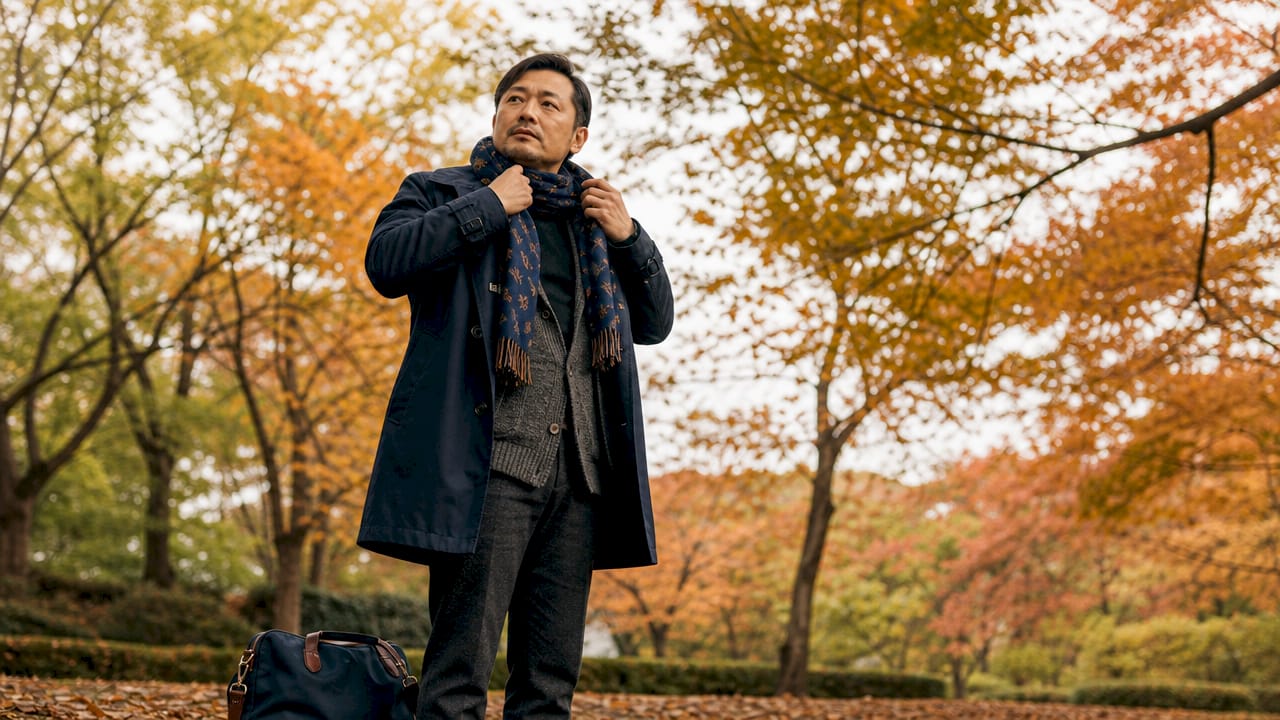
Adjust your base layer weight based on your indoor environment. If you work in a heated office, a thin modal long-sleeve base keeps you comfortable inside while still supporting a coat outdoors. If you spend most of your day outside, a merino wool base adds meaningful warmth without bulk. Choosing a base that regulates comfort while making the outer layers the variable in texture and weight is the core principle for transitional weather styling.
Here are adjustments for specific conditions:
- Mild fall days (55 to 65°F): Skip the heavy wool coat. A leather jacket or quilted vest over a knit sweater is enough.
- Wet or rainy days: Prioritize a water-resistant outer layer. A waxed cotton jacket or a treated trench coat handles light rain without sacrificing style.
- Indoor-heavy days: Wear your mid-layer as the visual centerpiece. A blazer or structured cardigan over a fitted base reads as a complete outfit when the coat comes off.
- Cold snaps (below 45°F): Add a merino wool base under your mid-layer and switch to a wool or down-blend coat. Keep the silhouette clean by choosing a slim-fit puffer or a structured wool overcoat rather than a boxy parka.
- Shoe swaps: Ankle boots handle most fall conditions. Switch to lug-sole or waterproof boots on wet days. Loafers work for dry, mild days and add a polished contrast to casual layers.
Accessory adjustments are the fastest way to shift a fall outfit between contexts. A fall accessories styling swap, such as trading a casual canvas tote for a leather crossbody, or adding a structured scarf, changes the register of the same outfit without changing any clothing.
Key takeaways
Polished fall outfits require a fitted base, a standalone mid-layer, and a structured outer layer, controlled by tonal color palettes and deliberate hem length planning.
| Point | Details |
|---|---|
| Three-layer system | Build every outfit with a fitted base, standalone mid-layer, and structured outer layer. |
| Capsule size | A 12 to 15 piece wardrobe generates 30-plus outfit combinations with less effort. |
| Tonal color palette | Neutrals plus two accent colors connect every piece to multiple outfit combinations. |
| Hem length control | Plan where each layer ends relative to the one beneath it to avoid a sloppy look. |
| Mid-layer independence | Every mid-layer must work as a complete outfit when the outer layer is removed. |
Why intentional layering beats trend chasing every single fall
I have watched people rebuild their fall wardrobe from scratch every September for years, chasing whatever color or silhouette is trending, and ending up with a closet full of pieces that do not connect. The ones who actually look good in fall are not the ones with the most pieces or the most current items. They are the ones with three or four repeatable outfit formulas they execute well.
The structural layering system described in this article is not a trend. It is a framework. Once you internalize the fit progression from slim base to structured outer, you can apply it to any aesthetic, whether that is minimalist, streetwear, or something in between. Texture contrast and silhouette control are the two variables that separate a styled outfit from a dressed one. A knit sweater under a wool coat with leather boots looks expensive because the textures are doing work, not because any single piece cost a lot.
My honest recommendation: invest in two quality base layers and one structured coat before anything else. Those are the pieces that make everything else look better. The mid-layers and accessories can come from anywhere. The foundation and the frame are what hold the whole system together.
— Josh
Build your fall look with 3wizardclothing
If you are starting or refreshing your fall wardrobe, 3wizardclothing makes it easy to add personality to your layering system without overcomplicating it.

The Pumpkin Season T-Shirt is a standout example of how a graphic tee fits directly into the three-layer formula. Wear it as your base under an open flannel or blazer, and it adds seasonal character without disrupting your color palette. 3wizardclothing’s fall collection is built around casual, expressive pieces that layer cleanly with the wardrobe essentials covered in this article. Browse the fall graphic tee selection to find the right statement piece for your capsule.
FAQ
What are the basic fall fashion styling steps?
The core steps are: start with a fitted base layer, add a warm mid-layer that works as a standalone outfit, top with a structured outer layer, and finish with shoes, a bag, and an accessory. Hem length planning between layers keeps the look intentional rather than accidental.
How many pieces do you need for a fall capsule wardrobe?
A fall capsule of 12 to 15 pieces covers work and weekend needs and generates 30 or more outfit combinations. The key is selecting pieces that each connect to at least three or four other items in the set.
What fabrics work best for fall layering?
Merino wool, modal, and fine knit blends work best across all three layers. Thin merino wool bases regulate temperature and moisture better than thick cotton, while wool and tweed outer layers add structure without excessive weight.
How do you layer fall outfits without looking bulky?
Follow the fit progression rule: fitted base, slightly relaxed mid-layer, structured outer layer. Starting with a slim base and building outward in texture rather than volume keeps the silhouette clean. A half-tuck or belt at the waist also defines shape when mid-layers are voluminous.
What colors should a fall wardrobe be built around?
Build your palette around cream, camel, black, and gray as neutrals, then add burgundy, olive green, or rust as accent colors. Tonal color palettes within the same color family are more forgiving and polished than high-contrast combinations when layering multiple pieces.


