

TL;DR:
- Fall themed clothing emphasizes warm earthy colors and textured fabrics like wool, flannel, and corduroy to evoke the season’s natural mood. Layering with a base, mid, and outer layer creates versatile outfits adaptable to changing temperatures, while a capsule wardrobe maximizes outfit options with 20 to 25 coordinated pieces. Building the wardrobe gradually with timeless, texture-rich essentials ensures a confident, effortless fall style that reflects patience and thoughtful assembly.
Fall themed clothing is a category of seasonal fashion built around warm, earthy color palettes, cozy textures, and layering staples that translate autumn’s natural mood into wearable style. The industry term for this broader approach is seasonal dressing, and fall is its most visually distinct chapter. Think burnt orange knits, burgundy wool coats, olive trench coats, and ankle boots worn in combination to capture the feeling of crisp air and changing leaves. Whether you’re building a full fall wardrobe checklist or adding a few seasonal pieces to what you already own, understanding the system behind fall style makes every outfit decision faster and more confident.
What is fall themed clothing made of? Colors and fabrics explained
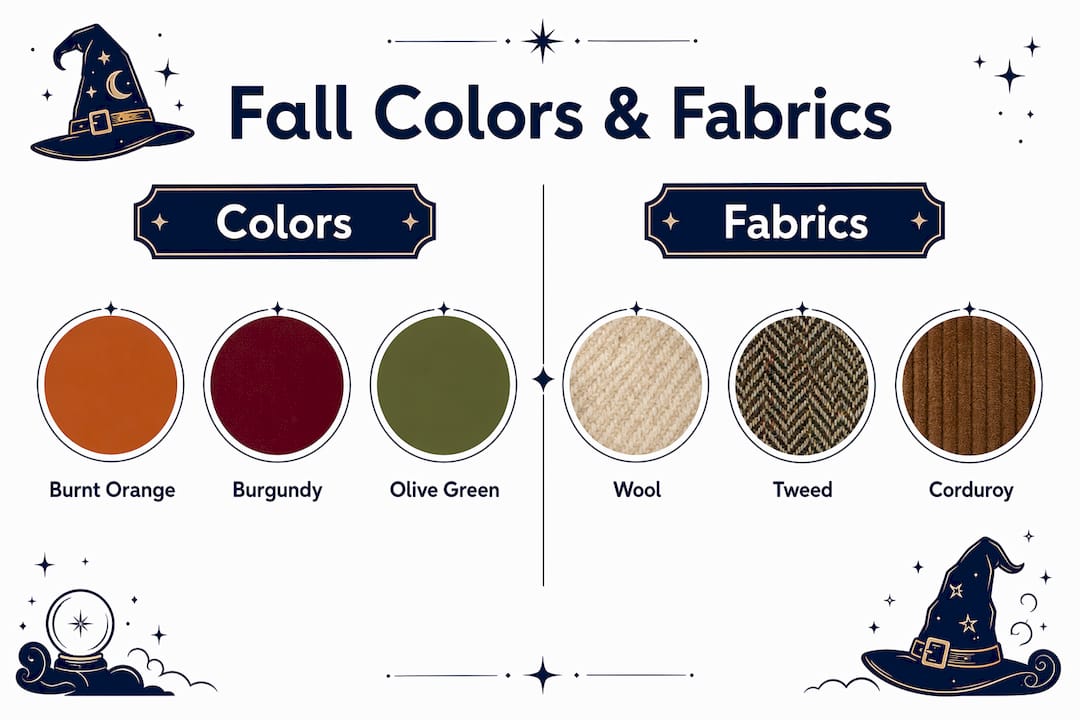
Autumn colors are defined as earthy, warm, and deep, with the core palette built around burnt orange, burgundy, olive, mustard, and golden yellow. These shades mirror what happens in nature during fall: leaves shift from green to amber, soil tones deepen, and the light itself turns golden. Wearing these colors creates an immediate visual connection to the season without any effort.
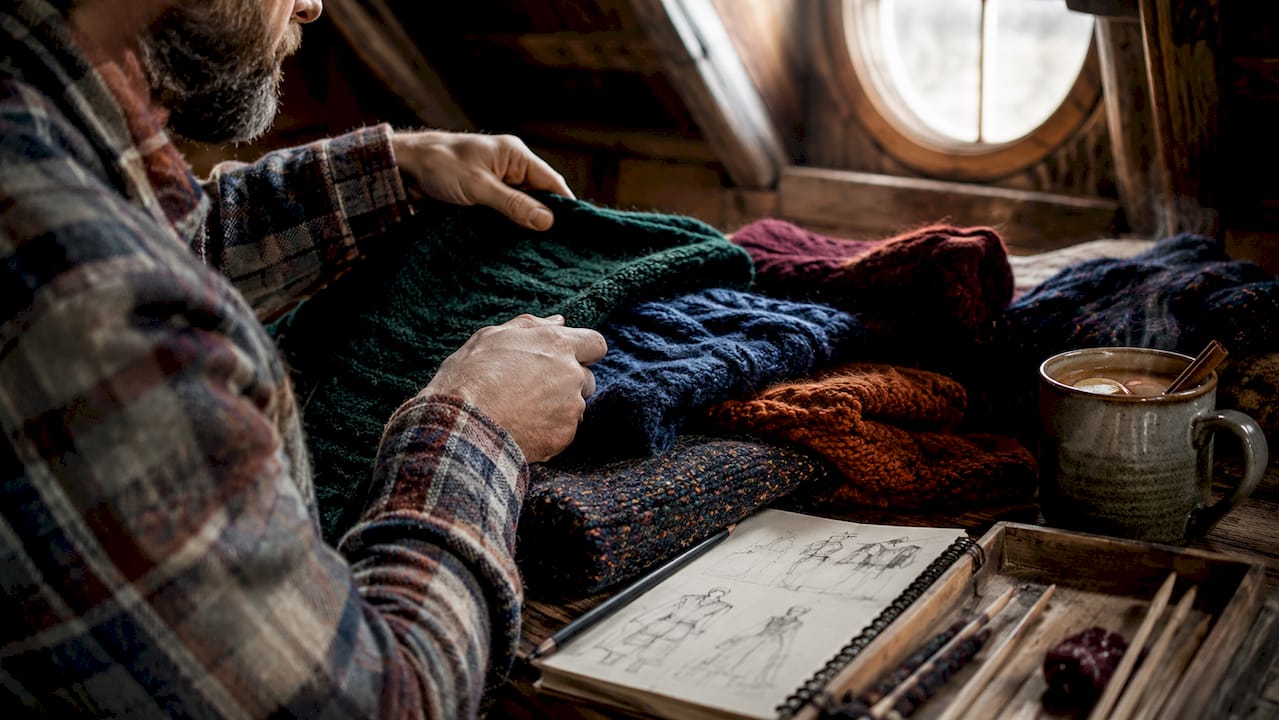
Fabric choice is where fall themed fashion separates itself from other seasons. The go-to materials are wool, tweed, corduroy, cashmere, flannel, and suede. Each one adds physical weight and visual texture that lighter summer fabrics simply cannot replicate. A mustard yellow flannel shirt reads as unmistakably autumnal. The same mustard in a linen blend reads as summer.
Fabric texture and weight dramatically change how a color reads on the body. A burgundy matte knit sweater feels grounded and cozy. Burgundy velvet reads as formal and rich. This means your fabric selection is not just about warmth. It actively shapes the mood of the outfit.
Pro Tip: If you want to test whether a piece reads as “fall,” hold it next to a matte knit in a warm tone. If the textures clash or the colors feel cool and bright, it likely belongs in a different season’s rotation.
Color analysis tools like the Color Analysis App categorize autumn palettes into subtypes: Soft Autumn, True Autumn, and Dark Autumn. Each subtype refines personal best colors based on your skin’s undertones and natural contrast level. True Autumn suits warm, medium-contrast coloring with shades like terracotta and warm camel. Dark Autumn works for deeper coloring with richer tones like chocolate brown and deep teal. Knowing your subtype stops you from buying fall colors that technically belong to the season but still wash you out.
| Color | Best Fabric Pairing | Seasonal Effect |
|---|---|---|
| Burnt orange | Matte knit, flannel | Warm, casual, harvest feel |
| Burgundy | Velvet, wool | Rich, formal, deep autumn |
| Olive | Corduroy, tweed | Earthy, outdoorsy, grounded |
| Mustard | Cashmere, suede | Soft, cozy, golden-hour mood |
| Golden yellow | Chunky knit, fleece | Bright, festive, harvest warmth |
How does layering create the fall aesthetic?
Vogue frames the fall shift as trading summery pieces for warm layering staples like wool coats and ankle boots. That framing is accurate, but it undersells the mechanics. Layering is not just about staying warm. It is the structural system that makes fall outfits work visually and functionally across a day where temperatures can swing 20 degrees.
A practical fall layering system uses three tiers: a base layer, a thinner mid-layer, and a removable outer layer. Each tier serves a distinct purpose, and understanding that purpose helps you dress for temperatures below 60°F without either overheating indoors or freezing on an evening walk.
Here is how to build each layer with intention:
- Base layer: A fitted long-sleeve tee or lightweight thermal in a neutral or warm tone. This layer sits against your skin and regulates core temperature. Graphic tees work well here when layered under open flannels or cardigans. Check out the t-shirt layering guide from 3wizardclothing for specific techniques.
- Mid-layer: A chunky knit sweater, flannel shirt, or cardigan. This is the layer most visible in fall outfit photos and the one that carries the most seasonal color and texture. Choose your warmest autumn palette pieces here.
- Outer layer: A wool coat, trench coat, or quilted jacket. This layer handles wind and cold. A camel wool coat over any mid-layer combination instantly reads as polished fall style.
- Footwear anchor: Ankle boots in tan, cognac, or black complete the layered look and add the grounded, earthy feel that defines autumn clothing styles.
- Accessories as texture: A chunky scarf in a complementary tone adds a fifth visual layer without adding bulk. Scarves in rust, cream, or deep plum work across most fall palettes.
Pro Tip: When dressing for a day that starts cold and warms up, choose a mid-layer you would be comfortable wearing alone by afternoon. A flannel shirt or open cardigan gives you that flexibility without sacrificing the layered look.
The fall wardrobe essentials list from Vogue confirms that wool coats and ankle boots are the two non-negotiable anchors. Every other piece builds around them.
What is a fall capsule wardrobe and how do you build one?
A fall capsule wardrobe is a curated set of 20 to 25 versatile pieces designed to mix and match across the entire season. Capsule guides recommend that each piece pairs with at least three others to maximize outfit combinations without requiring constant new purchases. That single rule eliminates the frustration of owning fall clothes that never quite work together.
The capsule concept, popularized by Susie Faux in the 1970s and later expanded by Donna Karan’s “Seven Easy Pieces” collection, applies perfectly to autumn clothing styles because the season has a defined color range and a clear layering logic. You are not trying to dress for every occasion. You are building a system.
Elle’s capsule wardrobe coverage emphasizes that versatile, mixable pieces encourage outfit repetition without the feeling of wearing the same thing twice. The key is choosing pieces in the same color family so they naturally coordinate.
Here are the must-have categories and specific examples for a fall capsule:
- Tops: Two graphic tees in warm tones, two fitted long-sleeve shirts in cream or rust, one flannel shirt in plaid
- Knitwear: One chunky turtleneck sweater, one oversized cardigan in camel or olive
- Bottoms: One pair of dark-wash straight-leg jeans, one pair of corduroy trousers in tan or burgundy, one midi skirt in a warm neutral
- Outerwear: One wool or wool-blend coat in camel or charcoal, one trench coat in tan
- Shoes: Ankle boots in cognac leather, white sneakers for casual layering
- Accessories: One chunky knit scarf, one leather belt, one crossbody bag in warm brown
| Capsule piece | Trend item |
|---|---|
| Camel wool coat | Embellished statement coat |
| Dark-wash straight jeans | Seasonal novelty print trousers |
| Cognac ankle boots | Trend-specific platform boot |
| Chunky knit sweater | Logo-heavy branded knitwear |
| Olive corduroy trousers | Neon or color-blocked bottoms |
The capsule column builds outfits that last the full season and beyond. The trend column delivers one strong moment before becoming visually dated. Both have a place, but the capsule pieces are your foundation.
How to style fall themed clothing for everyday wear
Classic silhouettes anchored with 1 to 2 seasonal pieces create fall-themed outfits that feel intentional rather than costume-like. This is the single most useful styling principle for fall. You do not need to wear every autumn color at once or pile on every texture. One strong seasonal element does the work.
Fall outfit inspiration works best when you treat the warm palette as a neutral system. Burnt orange, olive, and burgundy coordinate with each other and with true neutrals like cream, tan, and charcoal. That means a simple outfit of dark jeans, a cream tee, and a burnt orange cardigan reads as fully fall-themed without any effort.
Practical styling tips to sharpen your autumn look:
- Anchor every outfit with one texture-rich piece. A corduroy jacket, suede boot, or chunky knit sweater signals the season immediately.
- Limit your palette to three colors per outfit. Fall colors are warm and deep, and too many competing tones create visual noise.
- Use footwear to close the look. Ankle boots in cognac or tan pull warm tones from the rest of the outfit and create a cohesive finish.
- Add a graphic tee with a seasonal motif as your base layer for a casual, expressive fall look. The Hello Autumn T-Shirt from 3wizardclothing, featuring books, coffee, and leaves, is a strong example of how a single themed piece sets the seasonal tone without overwhelming the outfit.
- Mix matte and slightly shiny textures. A matte flannel shirt with a suede boot creates depth that flat, single-texture outfits lack.
Fall-themed clothing translates the season’s mood through both visual warm tones and the physical comfort of layering. That dual function, looking like fall and feeling like fall, is what makes autumn dressing so satisfying.
How to adapt fall outfits for different occasions and climates
Early fall, roughly September through mid-October, calls for lighter versions of the fall palette. Linen-cotton blends in olive or rust, light cardigans, and ankle boots without heavy socks handle 65°F to 70°F days without overheating. Late fall, from mid-October through November, shifts to wool, cashmere, and heavier outerwear as temperatures drop below 50°F.
For dressier occasions, swap the flannel mid-layer for a fine-knit turtleneck in camel or burgundy and pair it with tailored trousers and leather ankle boots. The color palette stays the same. The silhouette becomes cleaner. For casual weekend wear, an oversized flannel over a graphic tee with straight-leg jeans and white sneakers keeps the fall aesthetic relaxed and approachable.
Pro Tip: For transitional weather days, wear your outer layer tied around your waist or carried over your arm rather than leaving it home. A camel trench coat carried casually still contributes to the fall aesthetic even when you are not wearing it.
Key takeaways
Fall themed clothing works because it combines a defined warm color palette with texture-rich fabrics and a layering system that adapts to the season’s unpredictable temperatures.
| Point | Details |
|---|---|
| Core color palette | Build outfits around burnt orange, burgundy, olive, mustard, and golden yellow for instant seasonal impact. |
| Fabric drives the mood | Choose wool, flannel, corduroy, and cashmere to add texture and weight that signals the season. |
| Three-layer system | Use a base, mid-layer, and removable outer layer to stay comfortable as temperatures shift through the day. |
| Capsule over trend | A 20 to 25 piece capsule wardrobe built on versatile pieces creates more outfit options than trend-chasing. |
| One seasonal anchor | Adding just one or two thematic pieces to a classic silhouette creates a fall look without costume-like results. |
Why fall fashion rewards the patient builder
I have watched people approach fall dressing in two ways. The first group buys every pumpkin-print piece they see in September and ends up with a closet full of things that feel unwearable by October. The second group spends one season paying attention to what they actually reach for and builds from there.
The second group always wins. Fall fashion rewards patience because the palette is genuinely forgiving. Burnt orange, olive, and burgundy work together almost automatically. Once you own a camel coat and a pair of cognac ankle boots, every other fall piece you add clicks into place. The system does the work.
What I find most underrated in fall dressing is texture. People focus on color, which matters, but texture is what makes an outfit feel like fall rather than just look like it. A chunky knit sweater in mustard yellow feels different in your hands and against your skin than a smooth cotton pullover in the same color. That physical experience is part of why people love fall fashion so deeply. It is not just visual. It is sensory.
The mistake I see most often is treating fall themed fashion as a performance. You do not need to signal the season loudly. One well-chosen piece in a warm, earthy tone, worn with classic basics, does more than a head-to-toe harvest display. Confidence in restraint is the real skill. Build the foundation first, then add the seasonal accents. The role of themed clothing is to express something personal, not to announce a calendar date.
— Josh
Refresh your autumn wardrobe with 3wizardclothing
If you want to add a seasonal anchor piece without rebuilding your entire wardrobe, a well-designed fall graphic tee is the fastest way to do it. 3wizardclothing carries a curated selection of autumn-themed apparel built for exactly this purpose.
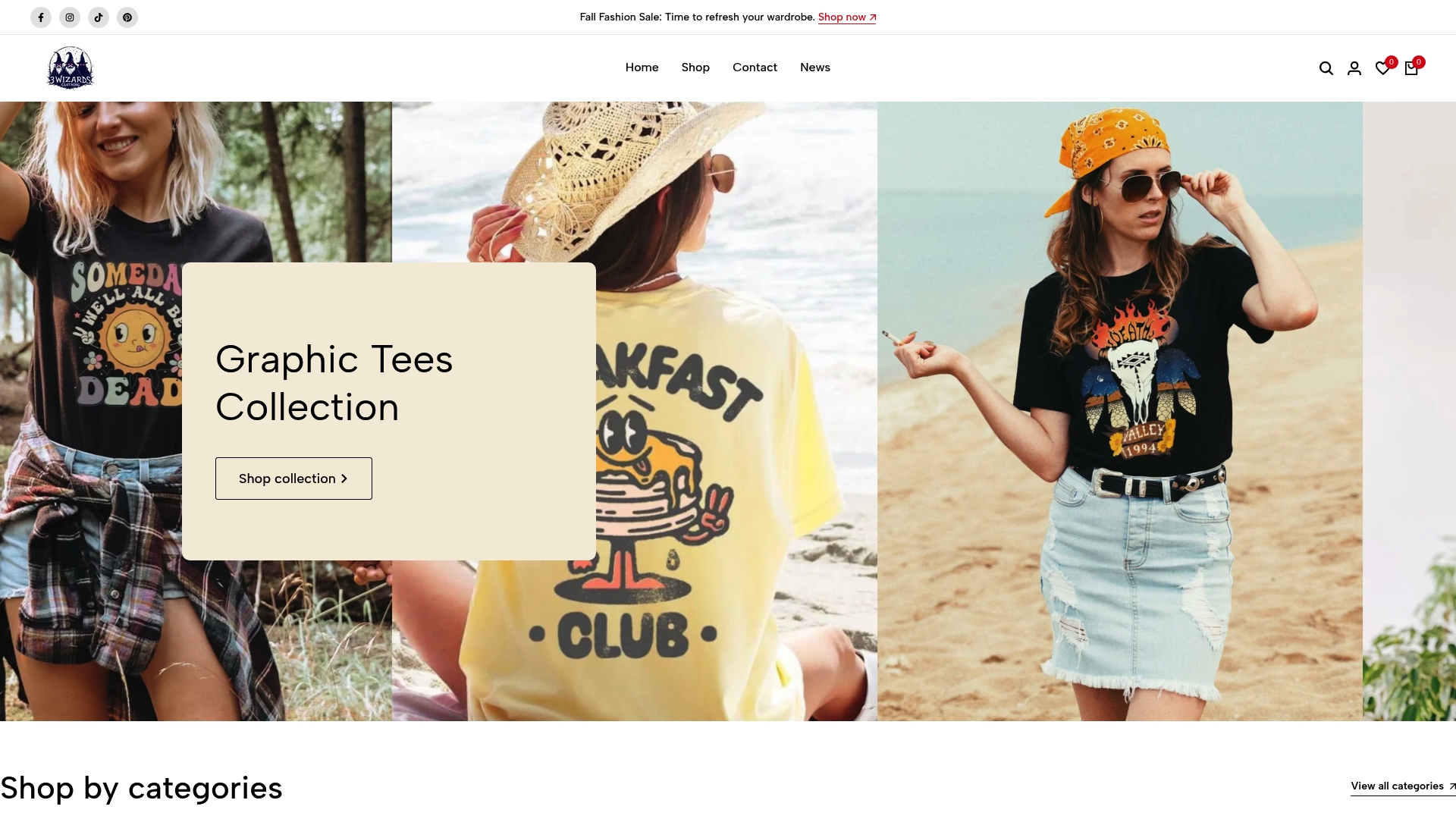
The Hello Autumn Tee features cozy critters and pumpkin patch motifs that capture the festive side of fall without going costume. Layer it under a flannel or wear it solo on a warm October afternoon. For a softer, woodland-inspired option, the Autumn Vibes Tee delivers the same seasonal energy with a more understated graphic. Both pieces are designed to work as that one seasonal anchor your fall capsule needs.
FAQ
What is fall themed clothing?
Fall themed clothing is seasonal fashion built around warm, earthy colors like burnt orange, burgundy, and olive, combined with texture-rich fabrics such as wool, flannel, and corduroy. The style emphasizes layering and cozy silhouettes that reflect autumn’s natural mood.
What colors are considered fall colors?
The core fall palette includes burnt orange, burgundy, mustard yellow, olive green, and golden yellow. Color analysis tools categorize these into subtypes like Soft Autumn, True Autumn, and Dark Autumn based on personal undertones.
How many pieces does a fall capsule wardrobe need?
A fall capsule wardrobe typically includes 20 to 25 versatile pieces, with each item designed to pair with at least three others to maximize outfit combinations across the season.
What are the best fabrics for fall clothing?
Wool, flannel, corduroy, cashmere, tweed, and suede are the defining fabrics of fall fashion. These materials add the texture and weight that make warm autumn colors read as seasonal rather than year-round.
How do you style fall themed outfits without looking costume-like?
Anchor your outfit with a classic silhouette and add just one or two seasonal pieces in a warm autumn color. Limiting your palette to three coordinating tones and choosing texture-rich fabrics keeps the look intentional and wearable.


