

TL;DR:
- Eco-friendly clothing requires transparency in materials, dyeing, printing, and end-of-life practices.
- Materials like organic cotton and Tencel outperform recycled polyester, which sheds microplastics.
- Certifications are helpful but not foolproof; verify claims and consider overall supply chain transparency.
Most shoppers grabbing a graphic tee labeled “eco-friendly” assume they’re making a planet-positive choice. The reality is messier. Brands routinely use sustainability language without disclosing what their fabric is made of, how it was dyed, or what happens to the shirt after you’re done wearing it. This guide cuts through the noise. We’ll break down what the term actually means, which materials and printing methods hold up under scrutiny, how to read certifications without being fooled, and how to shop in a way that genuinely reflects your values. No fluff, just real answers for anyone who wants their wardrobe choices to mean something.
Table of Contents
- Eco-friendly graphic clothing explained
- What materials and printing methods actually matter?
- Do certifications guarantee eco-friendly clothing?
- How can you shop smarter for eco-friendly graphic apparel?
- Why longevity beats newness in eco-friendly graphics
- Discover eco-friendlier graphic fashion you’ll love
- Frequently asked questions
Key Takeaways
| Point | Details |
|---|---|
| Eco-friendly requires transparency | Brands must disclose processes and avoid vague marketing for real eco-credibility. |
| Materials and methods matter | Think beyond the label—true sustainability considers both fabric and printing impact. |
| No perfect certifications | Certifications are helpful but don’t guarantee comprehensive sustainability. |
| Longevity is best | Keeping graphic apparel in use as long as possible beats buying new ‘eco’ shirts. |
Eco-friendly graphic clothing explained
So what does “eco-friendly” actually mean when it’s stamped on a graphic tee? At its core, the term should describe clothing that minimizes environmental harm across every stage of production: raw materials, dyeing, printing, and packaging. But in practice, eco-friendly claims are often vague and can shift responsibility to the consumer.
Greenwashing (making a product sound more environmentally responsible than it is) is rampant in fashion. A brand might use one recycled button or a paper hangtag and call the whole garment “sustainable.” That’s a deliberate misdirection. True eco-friendly graphic clothing requires transparency across the entire supply chain, not just one convenient detail.
Authentic brands typically share specifics:
- Fabric origin: Where was the cotton grown, and was it certified organic?
- Dye and ink: Are the dyes water-based and low-impact? Are screen-printing inks free of PVC?
- Energy use: Does the factory run on renewable energy?
- Printing method: Does the printing process minimize water waste?
- Packaging: Is it recycled or compostable?
None of these elements exists in isolation. A shirt made from organic cotton but printed with toxic plastisol inks isn’t truly cleaner. That’s why our eco impact guide treats all of these factors as connected rather than separate checkboxes.
“No single label or certification tells the full story. Eco-friendly clothing requires evaluating the full production chain, from seed to shelf to landfill.”
Microplastic pollution is another factor most shoppers overlook. Synthetic fabrics shed tiny plastic fibers every time they’re washed, and those fibers flow into waterways. This matters even for kids graphic clothing, where comfort and safety concerns already drive purchasing decisions. Understanding why eco-friendly matters at a production level helps you ask smarter questions before you buy.
What materials and printing methods actually matter?
Once you know what the industry means by “eco-friendly,” it’s crucial to dig deeper into which materials and printing styles are truly better for the environment. The fabric-versus-print combination is where most shoppers get surprised.
Organic cotton is grown without synthetic pesticides and uses significantly less water than conventional cotton. Tencel (a fiber made from sustainably harvested wood pulp) goes even further, using a closed-loop process that recycles nearly all water and solvents used in production. These two materials generally outperform recycled polyester for overall environmental impact.

Recycled polyester sounds like a win because it repurposes plastic bottles. But recycled polyester sheds microplastics and DTG (Direct-to-Garment) printing struggles with polyester longevity, meaning your graphic fades faster and the shirt gets tossed sooner. That’s not actually better.
| Material/Method | Eco strength | Key weakness |
|---|---|---|
| Organic cotton | Low pesticide use, biodegradable | Higher water use than Tencel |
| Tencel/Lyocell | Closed-loop process, soft | More expensive, less widely used |
| Recycled polyester | Diverts plastic waste | Microplastic shedding, print fade |
| DTG printing | Low water use, vibrant | Struggles on synthetics |
| Water-based screen print | Durable, no PVC | Requires skilled setup |
| Plastisol screen print | Very durable | Contains PVC, not eco-safe |
For sustainable graphic clothing, the sweet spot is a natural or semi-synthetic base fabric paired with water-based or low-impact inks. Check out graphic t-shirt care tips to understand how proper care extends print life regardless of method.
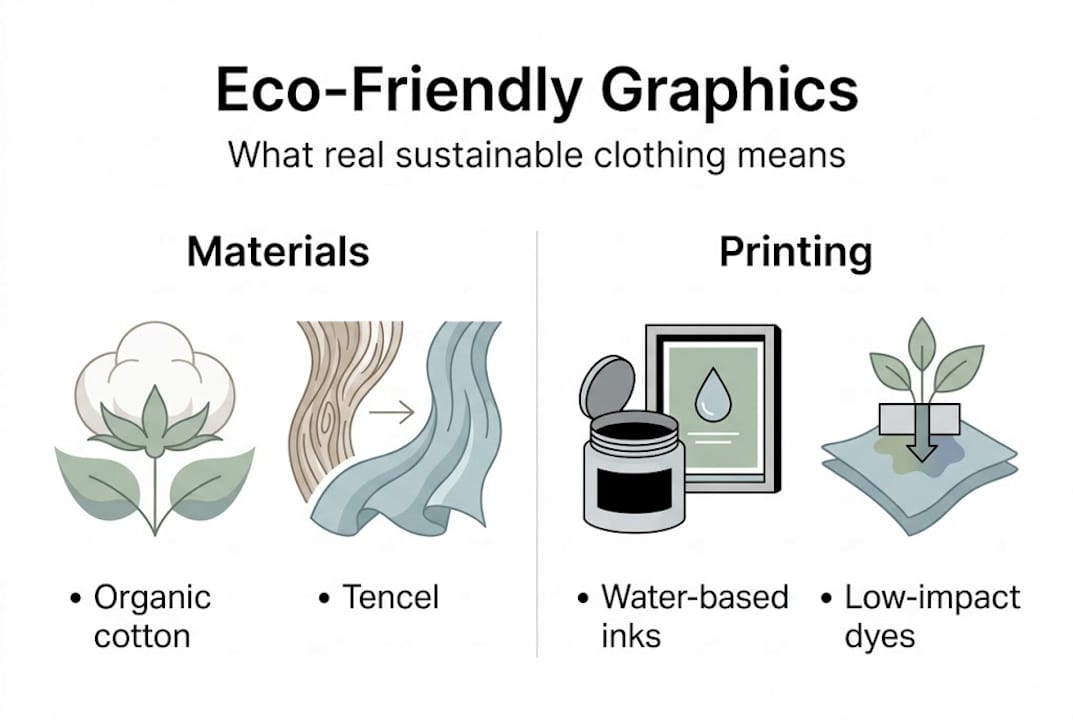
Pro Tip: When evaluating a graphic tee, look for brands that name both their fabric source and their ink type. If a brand only says “eco-friendly printing” with no specifics, that’s a red flag.
Following the latest t-shirt trends doesn’t mean you have to sacrifice your standards. More brands are catching up, and selecting eco-friendly products is getting easier as transparency becomes a competitive advantage.
Do certifications guarantee eco-friendly clothing?
Even with better materials and printing, many shoppers only look for eco-labels. But do they actually guarantee a cleaner product? Honestly, not always.
Third-party certifications are a useful starting point, but no certification system is perfect. Each label covers a specific slice of the supply chain, and none covers everything.
| Certification | What it covers | What it misses |
|---|---|---|
| GOTS (Global Organic Textile Standard) | Organic fiber, safe dyes, fair labor | End-of-life recycling |
| OEKO-TEX Standard 100 | Harmful substance testing | Supply chain ethics, carbon footprint |
| Fair Trade Certified | Worker wages and conditions | Fiber type, environmental impact |
| Bluesign | Chemical and resource use in dyeing | Garment construction, end-of-life |
Notice the gaps. A GOTS-certified shirt might be made with excellent organic cotton and safe dyes, but the certification doesn’t track what happens when you throw it away. An OEKO-TEX label means the finished product tests clean for harmful substances, but it doesn’t tell you anything about the factory’s carbon output.
Here’s what to watch for when evaluating eco-claims:
- Logos with traceable numbers: Real certifications include a license number you can verify on the certifying body’s website.
- Specific language: “GOTS-certified organic cotton” is credible. “Made with eco-conscious materials” is not.
- Scope clarity: Ask what percentage of the garment is certified, since some brands certify only the outer fabric.
- No end-of-life coverage: No mainstream certification currently covers what happens to your shirt after it’s worn out.
For a broader understanding of what sets genuine graphic apparel apart, it helps to cross-reference certification claims with the brand’s published supply chain information. Less than 1% of clothing globally gets recycled into new garments, which means certifications alone are not solving the fashion waste crisis.
How can you shop smarter for eco-friendly graphic apparel?
Armed with a better understanding of honest claims and real standards, it’s time to translate this knowledge into buying action.
Smart eco shopping isn’t about finding a perfect product. It’s about asking better questions and making decisions that reflect your actual values. Sustainable fashion still produces waste, and longevity with fewer new purchases is the real key.
Here’s a five-step checklist to use before buying any graphic tee:
- Check material disclosure: Does the brand list the exact fabric content and where it comes from? “100% GOTS-certified organic cotton” is a pass. “Natural materials” is not.
- Verify the print method: Look for water-based or discharge inks. If the brand doesn’t mention it, ask them directly.
- Confirm certification legitimacy: Search the license number on the official certification website. If there isn’t one, treat the claim with skepticism.
- Evaluate durability signals: Read reviews for print fade or shrinkage. A tee that lasts five years beats one that lasts five washes.
- Look for afterlife options: Does the brand offer a take-back program, repair service, or resale partner?
Pro Tip: Ask brands directly, “Do you have a take-back or recycling program?” The answer (or the silence) tells you a lot about how seriously they treat sustainability beyond the sale.
Once you have a piece you love, protect your investment. Our guides on caring for graphic tees and keeping graphics vibrant long-term walk you through exactly how to extend garment life. If you’re ready to start fresh with intention, the 2026 buying guide helps you prioritize pieces worth keeping.
Why longevity beats newness in eco-friendly graphics
Here’s what most eco-fashion content won’t tell you: the greenest t-shirt is often the one already in your drawer. We focus so much energy on finding the “right” new purchase that we skip the more powerful choice, which is keeping what we already have in rotation longer.
Brands and influencers constantly push the next eco-trend. But focusing on longevity trumps buying new, even when that new item carries a sustainability label. Every garment produced uses resources. Every new purchase, however well-intentioned, adds to that total.
The most impactful thing you can do is repair, rewear, and pass along what you own. That graphic tee with a small fade? Learn the right caring for graphics techniques and it can last years more. Hand it down or resell it when you’re done. Eco-conscious fashion is a mindset, not a shopping occasion. True sustainability means making the most out of every garment, not seeking constant consumption.
Discover eco-friendlier graphic fashion you’ll love
If you want to put this knowledge into action while refreshing your wardrobe, it’s worth exploring graphic styles that align with the standards we’ve discussed. At 3 Wizard Clothing, we focus on transparency in our printing methods and offer designs built for real wear, not just one season.
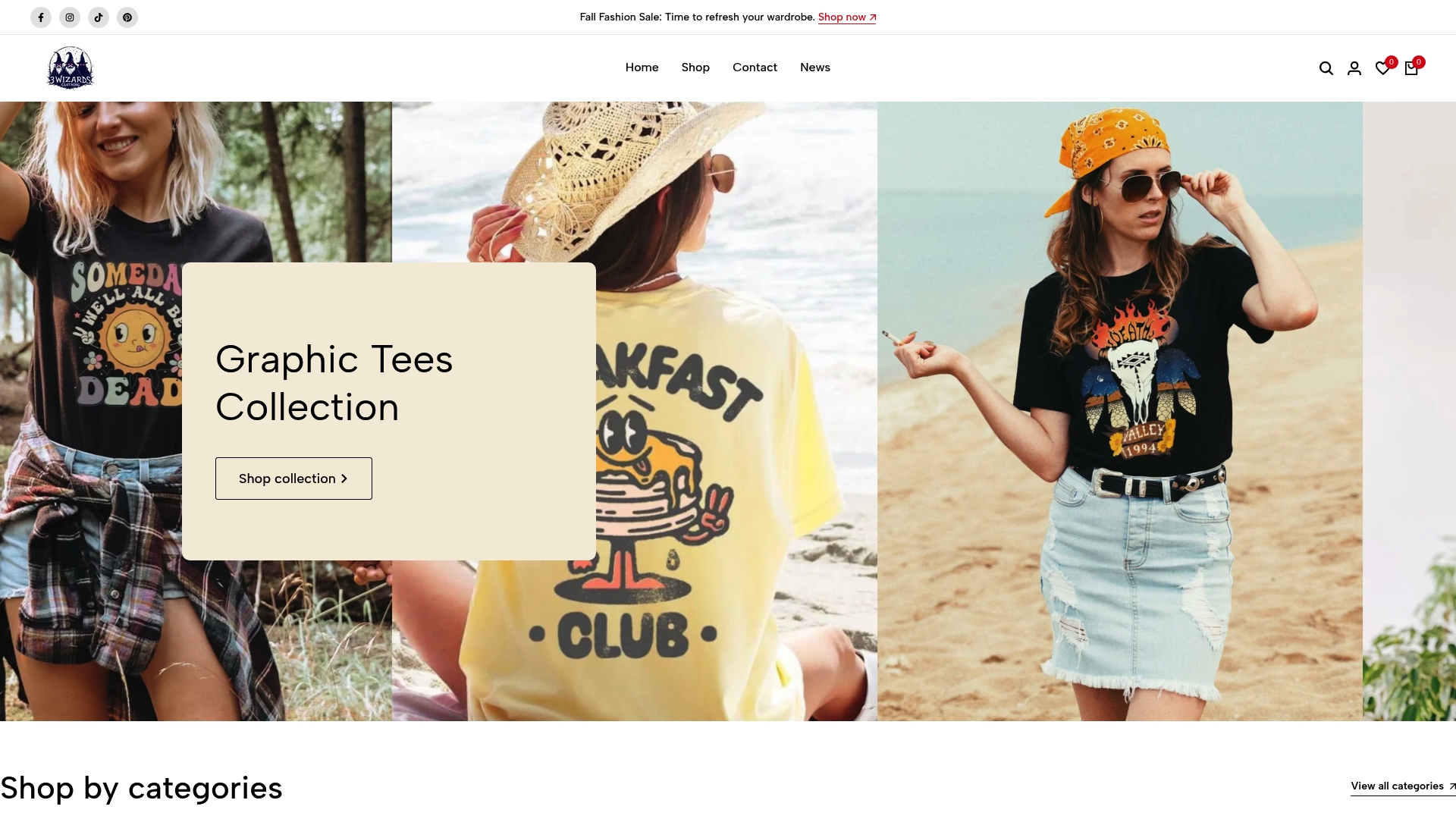
The Pumpkin Season T-shirt brings expressive seasonal style with a focus on print quality that holds up wash after wash. For everyday wear with a clean aesthetic, the Keep It Simple Sneaker Tee is a strong starting point. Browse the full range at 3 Wizard Clothing and find pieces worth keeping for the long haul.
Frequently asked questions
How do I know a graphic t-shirt is genuinely eco-friendly?
Look for material disclosure, real certifications with traceable numbers, and specifics on both fabric and print processes. Vague eco-claims that shift responsibility to you as a consumer are a clear warning sign.
Is recycled polyester better than organic cotton for graphics?
Organic cotton usually has a lower overall environmental impact. Recycled polyester sheds microplastics with every wash and doesn’t hold DTG prints as long, meaning the shirt often wears out faster.
Do third-party certifications mean the clothing is always sustainable?
No certification is perfect; each one covers a specific part of the supply chain. Use certifications as one tool among several, not as the final word on a garment’s true impact.
How can I extend the life of my eco-friendly graphic apparel?
Wash inside-out on a cold, gentle cycle, skip the dryer when possible, and follow the brand’s specific care instructions. These steps protect both the print and the fabric so your tee stays in rotation far longer.
Recommended
- What Is Sustainable Graphic Clothing? Eco Impact Guide – 3 Wizard Clothing
- What Is Graphic Apparel and Why It Matters – 3 Wizard Clothing
- Kids Graphic Clothing: Style, Safety, and Trends – 3 Wizard Clothing
- Ultimate 2026 buying guide for trendy graphic apparel – 3 Wizard Clothing
- Understanding Sustainable Materials in Fashion – San Rocco Italia


