

TL;DR:
- Apparel trends stem from cultural moments and social media, shaping what lands in stores and closets.
- Balancing trends with personal style prevents overconsumption and promotes wardrobe cohesion.
- Brands use data and forecasting to time seasonal collections, aligning designs with cultural relevance.
There’s a real frustration in opening your closet and realizing that a graphic tee you loved just six months ago already feels dated. Fashion favorites cycle in and out faster than ever, and for anyone who loves expressive, themed, or seasonal apparel, keeping up can feel overwhelming. Trends are increasingly shaped by social platforms and cultural relevance rather than traditional brand loyalty, which means the rules of the game have genuinely changed. This article breaks down what apparel trends actually are, how they drive shopping decisions, and how you can use them to build a wardrobe that reflects who you really are, not just what’s popular this week.
Table of Contents
- The basics: What are trends in apparel and why do they matter?
- How trends shape shopping: Social media, micro-trends, and trend-driven discovery
- Seasonal collections and themed apparel: Why timing and humor matter
- The other side of trends: Overconsumption, inconsistency, and the shift to personal style
- Why personal style is your biggest trend advantage
- Express your style with trend-inspired graphic apparel
- Frequently asked questions
Key Takeaways
| Point | Details |
|---|---|
| Trends guide apparel design | Brands use trends to create seasonal and themed clothing that matches consumer demand. |
| Social media drives discovery | Micro-trends and cultural moments on platforms now influence what shoppers want more than brands do. |
| Balance trends and style | Following every trend leads to clutter, but combining trend inspiration with personal taste builds a stronger wardrobe. |
| Timing impacts style and sales | The best seasonal graphic apparel launches when interest is high, reducing markdowns and waste. |
The basics: What are trends in apparel and why do they matter?
An apparel trend is any shift in what people want to wear, driven by cultural moments, social media, seasonal changes, or simply a collective mood. Trends differ from classic styles in one key way: classics stay relevant for years or even decades, while trends rise, peak, and fade within months or seasons. A plain white t-shirt is a classic. A Halloween-themed graphic hoodie featuring a sarcastic slogan is a trend, and a brilliant one when timed right.
Understanding this difference matters because trends actively shape what ends up in stores, what brands design, and ultimately, what lands in your closet. Brands that track seasonal fashion trends use that data to decide which graphics, colors, and themes to produce and when to launch them. This is not guesswork. It is a disciplined process.
“Trend forecasting balances short-term and long-term signals, helping brands time seasonal collections and manage inventory.”
Here is why that matters for you as a shopper:
- You get fresher options when brands follow trend cycles accurately, because collections arrive when you actually want them.
- Prices stay reasonable because well-timed launches avoid the deep discounting that happens when inventory piles up.
- Limited-edition pieces feel genuinely special instead of leftover stock sitting on a shelf.
- Themed collections like fall and Halloween apparel hit stores exactly when your excitement for those seasons peaks.
For anyone who gravitates toward fall graphic tees or humorous seasonal designs, trend timing is the invisible force behind why those pieces feel so satisfying to find and wear. When the stars align, a well-timed graphic tee does not just cover your body. It captures a feeling.
How trends shape shopping: Social media, micro-trends, and trend-driven discovery
Once you understand why trends matter, the next question is: how do they actually reach you? The answer, for most fashion-conscious shoppers today, starts with your phone.
Social platforms like TikTok, Instagram, and Pinterest have compressed trend cycles dramatically. What used to take a full season to move from a runway to a retail rack now happens in weeks. A single viral post featuring a bold graphic tee or a spooky Halloween hoodie can spike demand overnight. This has given rise to what industry insiders call micro-trends, which are highly specific, fast-moving style moments that catch fire online and then cool just as quickly. Think of a specific skull graphic paired with an ironic phrase, or a cozy critters fall motif that blows up in October and then quietly disappears by November.
For Gen Z and Gen Alpha, journeys are now fragmented and more trend-driven than brand-driven. That is a massive shift. It means shoppers are no longer starting their search with “what does my favorite brand have?” They are starting with “what did I just see that felt right?” Cultural signals, not logos, drive decisions. The role of graphic tees in youth style reflects this perfectly: a tee with the right message, the right graphic, and the right timing speaks louder than any brand name stitched on a label.
Here is a quick comparison of how different shopping mindsets work in practice:
| Shopping driver | How discovery happens | What drives the purchase | Examples |
|---|---|---|---|
| Brand-driven | Browse a favorite store’s website | Loyalty, trust in the brand | Repeat buys from a known retailer |
| Trend-driven | See a style on social media | Cultural relevance, FOMO | Halloween graphic hoodie after a viral post |
| Micro-trend | Spot a very specific niche look | Hyper-specific identity match | Sarcastic cat tee, cozy fall critters design |
Families shopping for kids are also caught in this trend wave. Humorous kids’ graphic apparel has seen real growth because parents and kids alike are drawn to pieces that feel current, funny, and expressive rather than generic. The trend-driven discovery model applies across age groups, even if the platforms and signals differ slightly.
Key factors that accelerate trend adoption in graphic apparel:
- Relatability: A sarcastic or funny slogan that feels true to life spreads fast.
- Seasonal timing: Fall, Halloween, and holiday graphics spike at predictable cultural moments.
- Shareability: Visually bold designs get photographed, posted, and seen by more potential buyers.
- Affordability: Graphic tees and tanks are low-risk purchases, which makes impulse buys easy.
Seasonal collections and themed apparel: Why timing and humor matter
Now let us look at how brands actually act on trend signals to create the seasonal and themed pieces you end up loving. The process is more intentional than most shoppers realize.
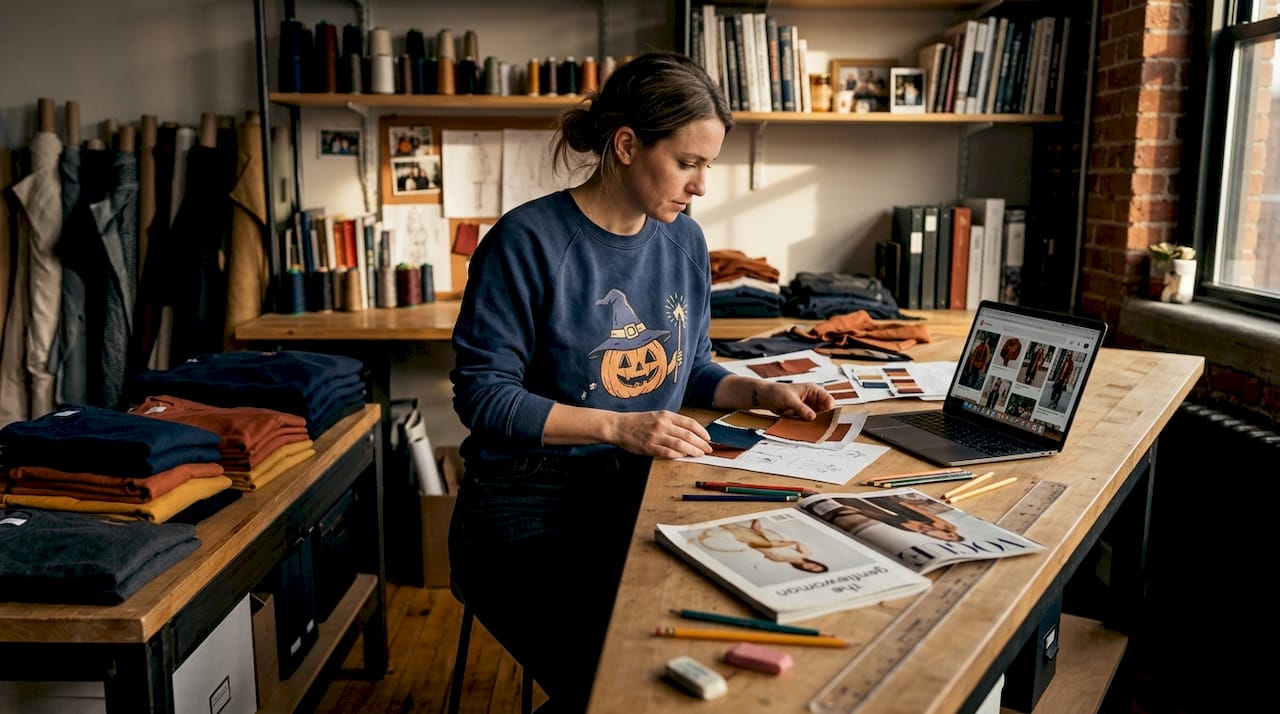
Brands that specialize in themed or seasonal graphic wear track multiple layers of information: social media engagement, search volume data, prior sales performance, and broader cultural conversations. All of that feeds into decisions about what to design, how many units to produce, and when to launch. Brands align design, buying, and marketing calendars with expected demand using trend signals to minimize inventory risk, which ultimately means less waste and better availability for shoppers.
Here is a simplified example of how timing works for a seasonal graphic apparel brand:
| Season or theme | Ideal launch window | Peak interest period | Risk if launched late |
|---|---|---|---|
| Fall and harvest | Late August | September through October | Missed early enthusiasm |
| Halloween | Early September | October 1 to 31 | Steep post-holiday markdowns |
| Holiday humor tees | Early November | Thanksgiving through December | Excess stock, heavy discounts |
| New Year / winter | Mid-December | Late December through January | Short window, low ROI |
Humor plays a massive role in this timing equation. A genuinely funny graphic tee does not just sell because it looks good. It sells because it captures a shared cultural joke at exactly the right moment. A pumpkin-themed tee with a deadpan punchline in early October hits different than the same shirt appearing in late November. The joke lands when the cultural context is alive. Knowing how to pick best-selling t-shirts is partly about reading that cultural clock correctly.
Pro Tip: If you want to get the best selection of seasonal and themed graphic tees, shop early in the season rather than waiting for markdowns. The most expressive and on-trend pieces sell out fast, while the remaining stock tends to be safer, more generic designs.
Expressive graphic apparel also benefits from what you might call humor shelf life, the window during which a funny or themed design feels fresh versus tired. Brands that nail this window create pieces that people genuinely want to wear proudly, not just once but repeatedly throughout a season.
The other side of trends: Overconsumption, inconsistency, and the shift to personal style
Here comes the part most trend articles skip. Chasing every trend is not a winning strategy, and there are real downsides to letting trend cycles run your wardrobe entirely.
Trend cycles can lead to overconsumption and wardrobe inconsistency, and experts recommend balancing trends with personal style for a cohesive wardrobe. The numbers back this up: the average American household throws away about 70 pounds of clothing per year, much of it driven by fast-trend purchases that felt exciting in the moment but never really fit the person’s actual lifestyle or taste.
The signs of trend overload are easy to recognize:
- A drawer full of graphic tees you never wear because the joke or theme no longer resonates.
- Seasonal pieces that felt perfect in the moment but have no lasting place in your rotation.
- A closet that looks like five different people live there, with no through line connecting the pieces.
Sound familiar? The good news is that there is a simple framework for doing this better. Here are three steps to balance trend interest with lasting personal expression:
- Filter trends through your actual personality. Before buying a trending piece, ask whether it reflects something genuinely true about you, your humor, your interests, or your lifestyle. If the answer is yes, it is a good purchase. If you are buying it purely because it is popular right now, think twice.
- Build a base of versatile, expressive classics. A well-chosen trendy graphic clothing staple that you love and wear repeatedly is worth ten trend-chasing impulse buys. Invest in pieces that work across multiple outfits and occasions.
- Be selective with seasonal and themed buys. Unisex graphic apparel tips often point to choosing pieces that transcend a single moment, like a fall aesthetic tee you will reach for every October, not just once.
There is also a growing conversation around sustainable graphic clothing and its role in reducing the environmental cost of trend-driven fashion. Choosing fewer, better pieces that you actually love and wear repeatedly is both financially smarter and kinder to the planet.
Pro Tip: Treat seasonal graphic apparel like a tradition rather than a trend. A Halloween tee or a fall harvest hoodie that you bring back every year becomes a personal signature, not a disposable purchase.
Why personal style is your biggest trend advantage
Here is the honest take from watching seasonal apparel cycles play out year after year: the pieces that people return to, photograph, and genuinely rave about are almost never the ones that just chased the biggest trend of the moment.
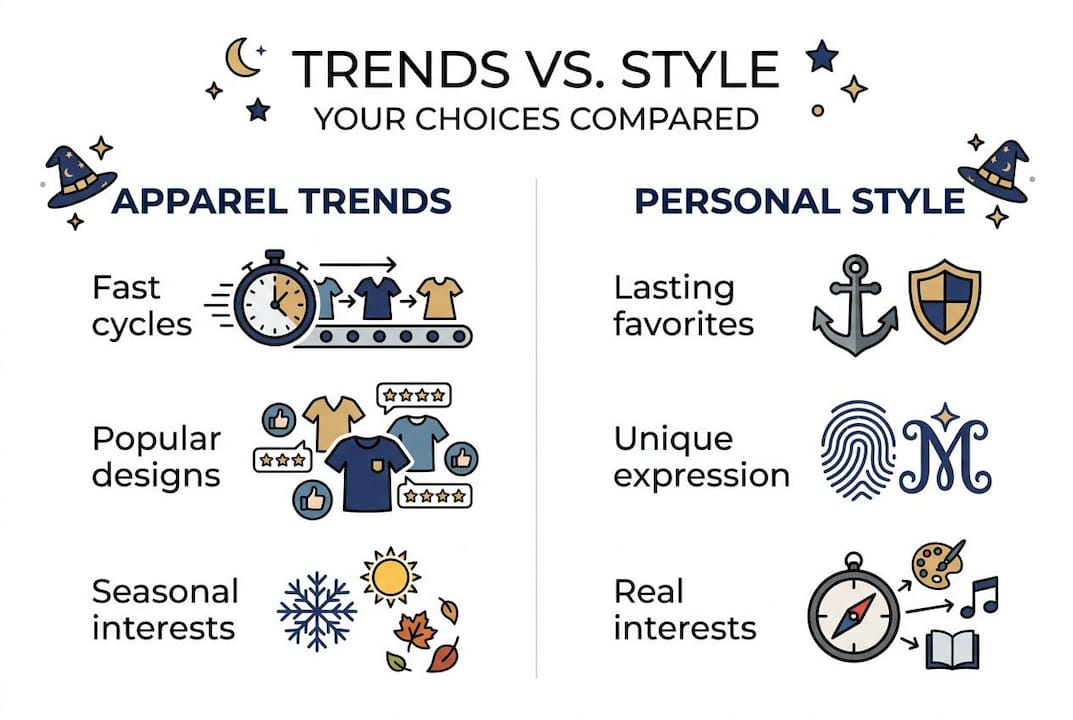
The styles that stick are the ones where a trend met something real about the person wearing it. A sarcastic cat Halloween tee works not because Halloween is trending but because the person wearing it actually thinks cats are hilarious and a little bit smug. That connection is what makes a graphic tee feel like your piece rather than just another shirt.
Blindly following trends rarely leads to lasting style satisfaction. It leads to a full closet and nothing to wear, a feeling that is both frustrating and surprisingly common. The most expressive shoppers we see are the ones who use trends as a starting point rather than a final answer. They look at what is trending and ask: does this connect to something I already love? If yes, they go for it enthusiastically. If not, they wait for something that does.
Playful, humorous, and themed designs are especially powerful when they reflect genuine interests. A person who loves the spooky season does not need to be told Halloween graphic apparel is trending. They just need the right design. One that captures their specific brand of humor or their family’s traditions. Mixing and matching graphic apparel across seasons and themes is also a smart way to build looks that feel fresh and individual rather than copycat.
The lesson from annual launches is consistent: the bestselling, most-loved pieces are almost always the ones that sat at the intersection of cultural timing and genuine personality. Trends give you the timing. You bring the personality. Together, that is where real style lives.
Express your style with trend-inspired graphic apparel
Ready to put this into practice? At 3 Wizard Clothing, we design seasonal and themed graphic apparel with both timing and personality in mind, so you get pieces that feel current and genuinely you.
Whether you are refreshing your fall wardrobe or hunting for the perfect Halloween statement piece, our curated collections make it easy to find designs that connect trend-driven energy with real self-expression. Check out the Autumn graphic tee for a cozy, playful take on the season, or grab the Autumn Vibes Tee for a design that captures the whole fall feeling in one look. Both are exactly what on-trend graphic apparel should be: fun, expressive, and worth reaching for every single autumn.
Frequently asked questions
Do trends in apparel only apply to young adults?
Trends affect all ages, but young adults tend to drive trend adoption due to their influence on social media and fast-changing styles. For fashion-conscious young adults, trends are mediated by social platforms more than any other channel.
How can I balance following trends with having my own style?
Choose trends that reflect your interests and mood rather than every passing fad, and use them as inspiration to build a personal, cohesive look. Experts recommend balancing trends with personal style for a wardrobe that stays consistent and satisfying over time.
Do trends increase overconsumption of clothing?
Yes, fast-changing trends can encourage buying more than you need, making it smart to balance trends with lasting pieces. Trend cycles can lead to overconsumption and wardrobe inconsistency when followed without a personal filter.
How do brands know which trends to follow for new collections?
Brands use trend forecasting, social media signals, and buying data to time and design collections that match upcoming demand. Trend forecasting balances signals across short and long timeframes to help brands launch seasonal collections at exactly the right moment.
Recommended
- Expressive clothing explained: How fashion showcases personality – 3 Wizard Clothing
- What is expressive clothing? Define your style with bold fashion – 3 Wizard Clothing
- Why Graphic Tees Are Popular: Expression, Trends, and Culture – 3 Wizard Clothing
- How graphics shape casual wear style in 2026 – 3 Wizard Clothing


